

CanIDrinkTheTapWater.com has completed tap water safety coverage across the entire African continent. Every country on the continent now has a dedicated guide covering water safety, ice, boiling, filtration, and bottled water availability.
Africa presented the most varied water safety picture of any region covered on the site — from one of the world's safest tap water islands to some of the most severe water crises on earth. Here is the complete picture, organised by safety status.
Safe to Drink ✅
Réunion is Africa's standout exception. As a French overseas territory operating under EU drinking water directives, tap water across the entire island is treated to the same standard as metropolitan France. Visitors can drink freely from the tap throughout their stay.
Use Caution ⚠️
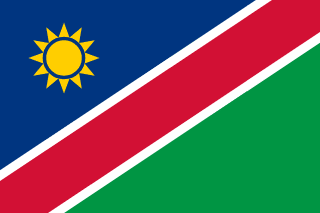
Namibia is the only other African country with a conditional rating. Windhoek operates one of the continent's most advanced treatment systems, including a pioneering water recycling programme. Outside the capital, remote safari and desert regions require careful water planning.
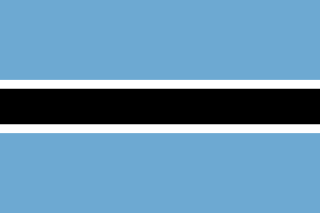
Botswana's cities are treated and relatively safe, but the Okavango Delta carries Giardia and bilharzia despite its extraordinary clarity, and the Kalahari demands self-sufficient water planning. Algeria's northern cities are treated and generally tolerable for locals, though bottled water is advised for visitors; in the Sahara, water availability rather than quality becomes the critical concern.
Mauritius and Seychelles both have treated supplies on their main islands that are generally safe, but bottled water is the recommended default throughout. Eswatini has a relatively developed supply by regional standards but aging pipes make bottled water the safer choice. Cape Verde relies entirely on desalination across its archipelago with inconsistent distribution. São Tomé and Príncipe has limited infrastructure on both islands.
Not Safe to Drink 🚫
The majority of Africa falls into this category. The reasons vary — from conflict-destroyed infrastructure to chronic underinvestment across decades.
North Africa: Egypt, Morocco, and Tunisia are treated but not recommended for visitors. Libya's Great Man-Made River infrastructure has been severely damaged by years of civil conflict. Mauritania is mostly Sahara — water availability is the critical issue beyond urban centres.
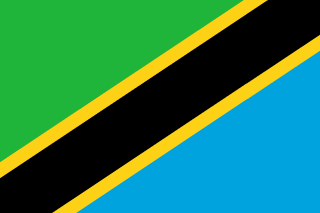
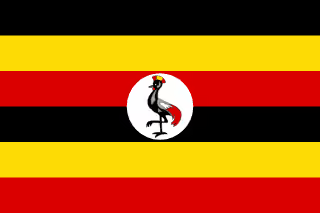
East Africa: Kenya, Tanzania, Ethiopia, and Rwanda all have unsafe tap water. Uganda's Kampala sources water from a heavily polluted Lake Victoria. Burundi sits on Lake Tanganyika — one of the world's deepest lakes, yet not safe to drink and carrying bilharzia risk. Djibouti is one of the world's most water-scarce countries with no permanent rivers and no infrastructure beyond the capital. Eritrea, one of the world's most isolated countries, has severely limited infrastructure even in Asmara — the Danakil Depression demands safety-critical water planning. Somalia and South Sudan have essentially no functioning municipal water treatment. Sudan's infrastructure has sustained catastrophic damage from the civil war that began in April 2023.
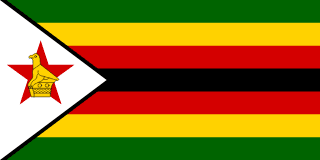
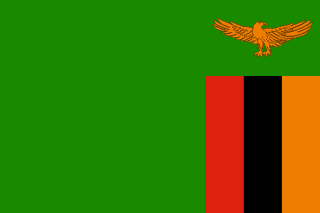
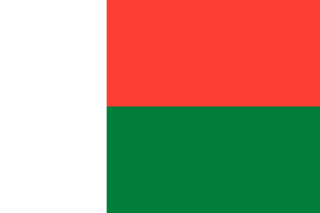
Southern Africa: South Africa, Zimbabwe, Zambia, Mozambique, Madagascar, Malawi, and Lesotho all have unsafe tap water. Zimbabwe's Harare experienced one of Africa's most severe cholera crises. Mozambique's infrastructure has been repeatedly devastated by cyclones. Lesotho's highland trekking routes require a filter as essential gear, with altitude above 3,000m changing boiling times.
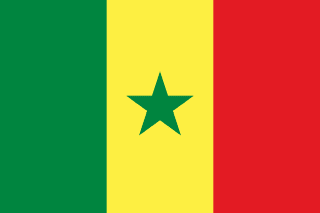
West Africa: Nigeria, Ghana, Senegal, Ivory Coast, Cameroon, Guinea, Sierra Leone, Liberia, Benin, Togo, Burkina Faso, Niger, and Guinea-Bissau are all unsafe. Guinea is ironically called the water tower of West Africa for its river-rich highlands, yet domestic water treatment is severely inadequate. Sierra Leone and Liberia both carry the legacy of civil war and the 2014–2016 Ebola epidemic. Burkina Faso's jihadist security crisis has further compromised already limited infrastructure. Guinea-Bissau's Bijagós Archipelago — famed for saltwater hippos and nesting turtles — has essentially no water infrastructure outside eco-lodge operations.
Central Africa: DR Congo, Republic of Congo, Gabon, Equatorial Guinea, Central African Republic, and Chad are all unsafe. The DRC has the world's highest endemic cholera burden. CAR has essentially no functioning water infrastructure outside Bangui. Lake Chad has lost over 90% of its surface area since the 1960s due to climate change and overuse.
Indian Ocean and islands: Comoros relies on groundwater and rainwater catchment with minimal treatment across three islands. Angola's civil war legacy remains visible in its water infrastructure two decades after peace. Angola, Ivory Coast, and the remaining countries complete a continent where safe water access remains one of the defining public health challenges of our time.





.svg)
