

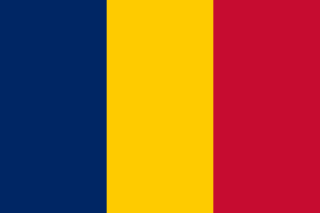
Can You Drink Tap Water in Chad?
Tap water in Chad is not safe to drink. Infrastructure is minimal across this vast, landlocked country. Bottled water is essential throughout.
Complete Drinking Water Safety Information for Chad
Tap water in Chad is not safe to drink for visitors. One of the world's least developed countries, Chad has minimal water treatment infrastructure despite straddling the Lake Chad basin — one of Africa's largest freshwater ecosystems. The Société Tchadienne d'Eau et d'Electricité (STEE) operates limited treatment in N'Djamena but supply is intermittent and quality unreliable. Most of the country has no piped water at all.
N'Djamena, the capital on the Chari River at the border with Cameroon, is the country's most developed city. Hotels and guesthouses provide bottled or filtered water for guests. Bottled water is available in supermarkets and shops in the capital. The Chari and Logone rivers are not safe to drink without comprehensive treatment.
Lake Chad in the northwest, once one of Africa's great lakes, has shrunk dramatically — losing over 90% of its surface area since the 1960s due to climate change, irrigation, and population pressure. The lake's remaining water is shared between Chad, Niger, Nigeria, and Cameroon. Any water from Lake Chad requires thorough treatment before consumption.
Chad experiences ongoing security challenges from the Boko Haram insurgency in the Lake Chad basin and instability in the Sahel. The country's vast Saharan north — including the Ennédi Plateau, a UNESCO World Heritage Site of extraordinary rock formations — has no water infrastructure. Any expedition to the Ennédi requires carrying all water from N'Djamena.
Use sealed bottled water in N'Djamena. For any travel outside the capital, carry a quality filter and purification tablets as essential equipment. Security conditions should be thoroughly assessed before any trip to Chad.
Bottled Water in Chad

Bottled water is available in N'Djamena and in some larger towns. Availability decreases significantly in rural areas, the Saharan north, and conflict-affected regions. Stock up thoroughly in the capital before any travel outside N'Djamena.
Is ice safe in Chad?
Ice should be avoided in Chad unless you are certain it was made from purified or bottled water. In established hotels in N'Djamena, ice is generally safe. In local restaurants and bars, and in any setting outside the capital, always request drinks without ice.
Can you use a water filter in Chad?
A portable filter and purification tablets are essential equipment for any travel outside N'Djamena in Chad. The country has minimal water infrastructure and vast remote regions. Choose a filter rated for bacteria and protozoa. Water and security planning must be integrated for any expedition into the Chadian interior.
Should you boil tap water in Chad?
Yes, boiling is essential if bottled water is unavailable. Bring water to a rolling boil for at least one minute. Bottled water is available in N'Djamena. In the Sahara north and rural south, a quality filter and purification tablets are essential backup as supply becomes essentially non-existent in remote areas.
Popular destinations inChad
Questions!
Is tap water safe to drink in Chad?
No. Tap water in Chad is not safe to drink. Infrastructure is minimal across this vast landlocked country. Bottled water is essential in N'Djamena and a filter is non-negotiable for any travel beyond the capital.
Can I drink tap water in N'Djamena?
No. N'Djamena's supply is treated but intermittent and unreliable. Hotels provide bottled or filtered water for guests. Bottled water is available in the capital's supermarkets.
Is water available at the Enné di Plateau?
The Enné di has essentially no water infrastructure. Any expedition requires carrying all water from N'Djamena. This is one of the world's most remote and spectacular landscapes and requires serious logistical planning.
What is Lake Chad's water situation?
Lake Chad has shrunk dramatically due to climate change and overuse. Any water from the lake requires thorough treatment. The Lake Chad basin also has ongoing security challenges from Boko Haram activity.
What is the safest approach to water in Chad?
Use sealed bottled water in N'Djamena. Carry a quality filter and purification tablets for all travel outside the capital. Integrate water planning with comprehensive security assessment before any trip to Chad.
We don't conduct independent water testing. We summarises and interpret publicly available official data. Conditions can change rapidly — always verify with local authorities before travelling.
Explore all popular destinations inChad
Explore more countries in Africa
Complete tap water safety information for African countries across North Africa, East Africa, West Africa, Southern Africa, and Central Africa.






📚 Official Resources & Further Reading
World Health Organization – Chad
CDC – Chad Travel Health Advisory
U.S. Department of State – Chad Travel Advisory

.svg)
