

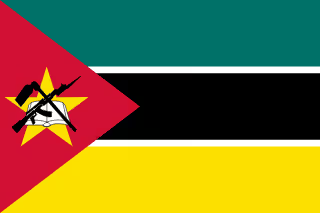
Can You Drink Tap Water in Mozambique?
Tap water in Mozambique is not safe to drink. Infrastructure damage from conflict and cyclones makes water unsafe throughout the country. Bottled water is essential.
Complete Drinking Water Safety Information for Mozambique
Tap water in Mozambique is not safe to drink for visitors. The country's water infrastructure is among the least developed in southern Africa, a legacy of a 16-year civil war and repeated devastation from severe tropical cyclones. Even in Maputo, tap water from FIPAG is not reliably treated. Power outages, aging pipes, and rapid informal urban growth all contribute to persistent water quality problems.
Maputo's Polana, Sommerschield, and Baixa districts are where most visitors stay. Hotels including the historic Polana Serena Hotel provide safe bottled or filtered water for guests. Restaurants in tourist areas use safe water, but always confirm water sources and avoid ice outside established venues.
Mozambique's coastline stretches over 2,500 kilometres. The Bazaruto Archipelago has no piped water infrastructure — every drop for island lodges is brought in or produced through desalination and rainwater harvesting. The Quirimbas Archipelago in the far north is similarly managed, with remote properties handling all guest water independently.
Tofo Beach near Inhambane is a popular backpacker and dive hub. Guesthouses and dive centres provide bottled water but standards vary — confirm your accommodation's water source on arrival. Gorongosa National Park lodges provide safe drinking water for all guests.
Mozambique's cyclone vulnerability — Idai and Kenneth in 2019 caused catastrophic damage — means infrastructure can be additionally compromised after major storms. Use sealed bottled water exclusively throughout the country. Carry a quality filter for travel beyond established tourist areas.
Bottled Water in Mozambique

Bottled water is available in Maputo, Beira, Nampula, and tourist areas including Vilankulo and Tofo. It becomes significantly more expensive and scarce on the Bazaruto Archipelago and Quirimbas islands where your lodge or resort manages all water supply. Budget roughly 40–100 MZN (USD $0.60–$1.60) per litre in Maputo. Always check bottle seals before purchasing.
Is ice safe in Mozambique?
Ice should be avoided in Mozambique unless you are certain it was made from purified or bottled water. In upscale hotels in Maputo and established dive resorts at Tofo and Bazaruto, ice is generally safe. In local restaurants and street settings throughout the country, always request drinks without ice.
Can you use a water filter in Mozambique?
A quality portable filter is strongly recommended for travel in Mozambique, particularly in the north of the country and cyclone-affected regions where water infrastructure is most compromised. Choose a filter rated for bacteria and protozoa. After cyclone events, combine with purification tablets and where possible use only sealed bottled water from unaffected sources.
Should you boil tap water in Mozambique?
Yes, boiling is essential if bottled water is not available. Bring water to a rolling boil for at least one minute. After major cyclones — which hit Mozambique regularly — even boiling may be insufficient due to chemical contamination from flooding. In these circumstances, sealed bottled water from unaffected sources is the only safe option.
Popular destinations inMozambique
Questions!
Is tap water safe to drink in Mozambique?
No. Tap water in Mozambique is not safe to drink for visitors. Water infrastructure is severely underdeveloped across the country, and even in Maputo the supply is not reliably treated to a safe standard. Cyclone damage has repeatedly set back infrastructure improvements. Bottled water is essential throughout your stay.
Can I drink tap water in Maputo?
No. Maputo's water supply is treated, but aging infrastructure and inconsistent pressure mean contamination risk remains. Most expats and visitors drink bottled water in the capital. Use sealed bottled water for drinking and brushing teeth throughout your time in Maputo.
Is water safe in Mozambique's island destinations — Bazaruto, Quirimbas, Tofo?
Island and beach resorts in Mozambique's premier dive and tourism destinations provide safe bottled or filtered drinking water for guests. Do not drink from taps in guesthouses or budget accommodation without confirming the water is filtered. On remote islands, water supply logistics are entirely managed by your operator.
What about water safety in Gorongosa National Park?
Gorongosa National Park lodges and camps provide safe drinking water for guests. Do not drink from rivers, waterholes, or any natural water sources in the park. If on extended community or walking experiences, your guide will manage water supply — always carry your own sealed bottles as backup.
What is the safest approach to water in Mozambique?
Drink only sealed bottled water throughout Mozambique. Carry a portable filter for any travel beyond established tourist infrastructure. Avoid ice unless confirmed to come from purified water. Cyclone-affected regions in particular may have compromised water sources even beyond the usual risks — extra caution is warranted after major weather events.
We don't conduct independent water testing. We summarises and interpret publicly available official data. Conditions can change rapidly — always verify with local authorities before travelling.
Explore all popular destinations inMozambique
Explore more countries in Africa
Complete tap water safety information for African countries across North Africa, East Africa, West Africa, Southern Africa, and Central Africa.






📚 Official Resources & Further Reading
World Health Organization – Mozambique
CDC – Mozambique Travel Health Advisory
U.S. Department of State – Mozambique Travel Advisory

.svg)
