

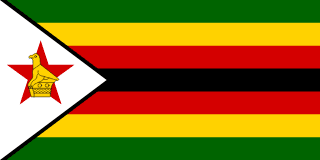
Can You Drink Tap Water in Zimbabwe?
Tap water in Zimbabwe is not safe to drink. Decades of economic crisis have severely degraded water treatment infrastructure, with cholera outbreaks recorded in Harare.
Complete Drinking Water Safety Information for Zimbabwe
Tap water in Zimbabwe is not safe to drink. Decades of economic crisis have left water treatment infrastructure severely degraded and chronically underfunded. Chemical shortages, power outages, and aging pipes mean the quality of water reaching taps is deeply unreliable across the country.
Harare has been at the centre of some of Africa's worst water contamination crises. In 2008, the collapse of the city's treatment system triggered a cholera outbreak infecting over 90,000 people and killing more than 4,000. While treatment has partially recovered, the infrastructure remains fragile and repeated outbreaks have continued since. Treat all tap water in Harare as unsafe.
Victoria Falls is Zimbabwe's flagship tourist destination. The town's water supply is treated but not reliably safe for visitors. Hotels and lodges in the tourism zone provide filtered or bottled water as standard. The Zambezi River is not safe to drink from under any circumstances without comprehensive treatment.
In Bulawayo, Mutare, and smaller towns, tap water conditions are similarly unreliable. Safari lodges across Hwange, Mana Pools, and Gonarezhou provide safe bottled or filtered water for all guests as standard practice.
Use bottled water exclusively throughout Zimbabwe for drinking and brushing teeth. Avoid ice in local restaurants unless you can confirm its source. Carry purification tablets as backup when visiting remote areas.
Bottled Water in Zimbabwe

Bottled water is available in Harare, Bulawayo, and tourist areas including Victoria Falls. Ensure bottles are sealed before purchasing. In the Victoria Falls tourism zone, hotels and lodges provide safe drinking water for guests. Stock up in major towns before venturing into remote areas where availability is limited.
Is ice safe in Zimbabwe?
Ice should be avoided in Zimbabwe unless you are certain it was made from purified or bottled water. In upscale Harare hotels and established safari lodges this is generally safe, but in local restaurants and street food settings always request drinks without ice.
Can you use a water filter in Zimbabwe?
A quality portable filter can provide backup protection in Zimbabwe but should not be relied upon as a primary source given the severity of potential contamination. Bottled water is the recommended primary source throughout the country. Carry a filter as an emergency backup, particularly if travelling to remote areas.
Should you boil tap water in Zimbabwe?
Yes, boiling is essential if bottled water is not available. Bring to a rolling boil for at least one minute. However, given Zimbabwe's history of cholera outbreaks from contaminated tap water, bottled water is strongly preferred over boiled tap water wherever it is accessible.
Popular destinations inZimbabwe
Questions!
Is tap water safe to drink in Zimbabwe?
No. Tap water in Zimbabwe is not safe to drink. Economic instability over the past two decades has severely degraded the country's water treatment infrastructure. Contamination with bacteria, cholera, and typhoid pathogens has been documented repeatedly, particularly in Harare. Bottled water is strongly recommended for all visitors.
Is the water safe near Victoria Falls?
Tap water in the Victoria Falls town area is not reliably safe. Most hotels and lodges in the tourism zone provide filtered or bottled water for guests. Confirm with your accommodation before consuming tap water. The Zambezi River itself is not safe for drinking without thorough treatment.
Has Zimbabwe had cholera outbreaks from tap water?
Yes. Zimbabwe has experienced multiple significant cholera outbreaks, most notably in 2008 when tens of thousands were infected due to the collapse of Harare's water treatment system. Smaller outbreaks have continued periodically since then. This history makes tap water a genuine health risk for visitors and locals alike.
Can I use tap water to brush my teeth in Zimbabwe?
It is safest to use bottled water for brushing teeth throughout Zimbabwe, particularly in Harare. In well-managed safari lodges and hotels that operate their own filtration systems, you may be told the water is safe for this purpose — always confirm with your accommodation.
What water is safe to drink in Zimbabwe?
Sealed commercially bottled water is the safest option. In reputable hotels and safari lodges, filtered water is typically provided and safe to drink. Avoid ice of unknown origin, and use bottled or filtered water for all consumption including brushing teeth.
We don't conduct independent water testing. We summarises and interpret publicly available official data. Conditions can change rapidly — always verify with local authorities before travelling.
Explore all popular destinations inZimbabwe
Explore more countries in Africa
Complete tap water safety information for African countries across North Africa, East Africa, West Africa, Southern Africa, and Central Africa.






📚 Official Resources & Further Reading
World Health Organization – Zimbabwe
CDC – Zimbabwe Travel Health Advisory
U.S. Department of State – Zimbabwe Travel Advisory

.svg)
