

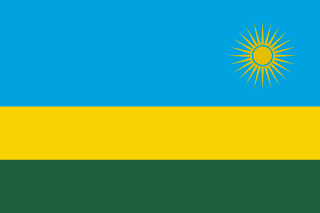
Can You Drink Tap Water in Rwanda?
Tap water in Rwanda is treated in Kigali and meets basic safety standards, but infrastructure varies and many visitors prefer bottled water.
Complete Drinking Water Safety Information for Rwanda
Tap water safety in Rwanda varies by location with Kigali having relatively good infrastructure while rural areas face challenges. In Kigali, Rwanda's capital, tap water is treated by Water and Sanitation Corporation (WASAC) and generally meets safety standards. The city has invested in water infrastructure and treatment is more reliable than many African capitals. Many Kigali residents drink tap water though expatriates and hotels often use filtration systems. Visitors with sensitive stomachs may prefer bottled water during adjustment period.
Kigali's higher altitude and cooler climate reduce some contamination risks compared to hotter regions. In Musanze (Ruhengeri) near Volcanoes National Park where tourists visit mountain gorillas, water infrastructure is more limited. Hotels and lodges provide bottled or filtered water which should be used. In Gisenyi, Kibuye, and Lake Kivu region, water treatment exists but quality varies.
Tourist accommodations provide bottled water. Rural areas throughout Rwanda including villages and countryside have limited water infrastructure. Many communities rely on boreholes, springs, or protected wells which may have variable quality. Rwanda has made significant progress in water and sanitation since 1994, but challenges remain particularly in rural areas. Throughout Rwanda, it's advisable for tourists to use bottled water for drinking to avoid any stomach issues during short visits.
While Kigali's tap water is generally safe, the combination of unfamiliar bacteria and travel can cause discomfort. Gorilla trekking and safari lodges provide bottled water as standard. Ice in upscale Kigali hotels is usually safe but verify in uncertain locations.
Bottled Water information in Rwanda

Bottled water is affordable (500-1,000 RWF or USD $0.40-$0.80 per liter) and available at supermarkets, shops, hotels, and tourist sites in Kigali and major towns. Popular brands include Inyange and Skol. Strongly recommended for tourists throughout Rwanda.
Is ice safe in Rwanda?
Ice in upscale Kigali hotels and restaurants is generally safe as it's made from treated water. Outside Kigali or in rural areas, ice should be verified or avoided if uncertain about water source.
Can you use a water filter in Rwanda?
Many expatriates in Rwanda use water filters particularly outside Kigali. For tourists, a portable filter provides backup for rural areas or gorilla trekking, but bottled water is more practical in most situations.
Should you boil tap water in Rwanda?
Boiling is not strictly necessary in Kigali where water is treated, though it provides extra safety. In rural areas or locations with uncertain water quality, boiling for one minute is recommended if bottled water isn't available.
Popular destinations inRwanda
Questions!
Can you drink tap water in Kigali?
Generally no for visitors, though Kigali has significantly improved its water infrastructure in recent years. The city has one of the better water systems in East Africa but most visitors and many residents still use bottled water as a precaution.
Is tap water safe outside Kigali in rural Rwanda?
No. Outside Kigali, water infrastructure is less developed and tap water or borehole water should not be consumed without treatment. Bottled water is the safe choice when travelling to other parts of Rwanda including the gorilla trekking regions.
We don't conduct independent water testing. We summarises and interpret publicly available official data. Conditions can change rapidly — always verify with local authorities before travelling.
Explore all popular destinations inRwanda
Explore more countries in Africa
Complete tap water safety information for African countries across North Africa, East Africa, West Africa, Southern Africa, and Central Africa.






📚 Official Resources & Further Reading
World Health Organization – Rwanda Water Access
CDC – Rwanda Travel Information
Rwanda Ministry of Health
U.S. Department of State – Rwanda Travel Information
WHO Rwanda Country Office

.svg)
