

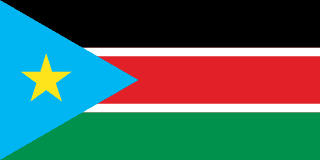
Can You Drink Tap Water in South Sudan?
Tap water in South Sudan is not safe to drink. The world's newest country has essentially no water treatment infrastructure. Bottled water is essential throughout.
Complete Drinking Water Safety Information for South Sudan
Tap water in South Sudan is not safe to drink for visitors. The world's newest country, independent since 2011, has essentially no functioning water treatment infrastructure. South Sudan has consistently ranked among the countries with the lowest rates of access to clean water globally. Ongoing civil conflict, displacement, and chronic underfunding have left the majority of the population without access to safe water.
Juba, the capital on the White Nile, is where virtually all visitors — primarily aid workers, diplomats, and journalists — spend their time. The city has no municipal water treatment system. Residents and visitors rely on private water vendors, trucked supply, and bottled water. Hotels and NGO compounds manage their own water independently. Bottled water is available in Juba when supply chains are functioning.
The White Nile runs through Juba but is not safe to drink without comprehensive treatment. Agricultural and industrial runoff, sewage discharge, and the absence of treatment infrastructure make the river unsafe for direct consumption despite its visible abundance.
Beyond Juba, travel in South Sudan is extremely challenging due to ongoing conflict in multiple regions, extremely limited road infrastructure, and essentially no water supply for visitors outside of NGO-managed operations. Areas including Jonglei State, Upper Nile, and Unity State have experienced severe humanitarian crises with water access among the most critical needs.
South Sudan is one of the most dangerous and logistically complex destinations in the world. Any visit requires working with established security and logistics operators. Water management is one element of comprehensive operational planning that must be established before arrival in the country.
Bottled Water in South Sudan

Bottled water is available in Juba when supply chains are functioning. Outside the capital, bottled water availability deteriorates rapidly and becomes essentially zero in conflict-affected and remote areas. A quality filter and purification tablets are essential for any travel outside Juba.
Is ice safe in South Sudan?
Ice should be avoided throughout South Sudan. There is no municipal water infrastructure in the country, making safe ice production impossible outside of operator-managed facilities. Avoid ice in all settings throughout South Sudan.
Can you use a water filter in South Sudan?
A portable filter and purification tablets are non-negotiable equipment for any travel in South Sudan. With essentially no water infrastructure outside of operator-managed systems, a quality filter rated for bacteria and protozoa is essential survival equipment for any travel beyond Juba.
Should you boil tap water in South Sudan?
Yes, boiling is essential if bottled water is unavailable. Bring water to a rolling boil for at least one minute. In Juba, bottled water is available. In other parts of the country, a quality filter and purification tablets are non-negotiable survival equipment for any travel.
Popular destinations inSouth Sudan
Questions!
Is tap water safe to drink in South Sudan?
No. South Sudan has essentially no water treatment infrastructure. The country has some of the world's lowest rates of access to clean water. Only operator-managed or sealed bottled water is safe.
Can I drink tap water in Juba?
No. Juba has no municipal water treatment system. Hotels and NGO compounds manage their own water independently. Bottled water is available when supply chains are functioning.
Can I drink from the White Nile?
No. The White Nile is not safe to drink without comprehensive treatment including filtration and chemical purification. Do not drink from the river or any natural water source without thorough treatment.
Who visits South Sudan and how do they manage water?
South Sudan is visited primarily by aid workers, diplomats, and journalists. All operate through established organisations that manage water supply independently. Independent visitors are extremely rare and must arrange water logistics through security operators before arrival.
What is the safest approach to water in South Sudan?
Work through established security and logistics operators who manage water supply. Use only operator-managed water or sealed bottled water in Juba. Carry a quality filter and purification tablets as essential backup equipment.
We don't conduct independent water testing. We summarises and interpret publicly available official data. Conditions can change rapidly — always verify with local authorities before travelling.
Explore all popular destinations inSouth Sudan
Explore more countries in Africa
Complete tap water safety information for African countries across North Africa, East Africa, West Africa, Southern Africa, and Central Africa.






📚 Official Resources & Further Reading
World Health Organization – South Sudan
CDC – South Sudan Travel Health Advisory
U.S. Department of State – South Sudan Travel Advisory

.svg)
