

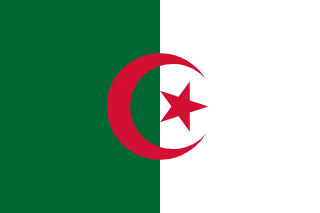
Can You Drink Tap Water in Algeria?
Tap water in Algeria is treated but not recommended for visitors. Quality varies significantly between cities and rural areas. Bottled water is widely available and advised throughout.
Complete Drinking Water Safety Information for Algeria
Tap water in Algeria is treated and technically meets national standards in major cities, but is not recommended for visitors. Infrastructure quality varies considerably between the well-developed northern coastal cities and the vast interior. Most Algerians in cities drink tap water, but visitors with less acclimatised digestive systems are advised to use bottled water to avoid stomach upset.
Algiers, the capital, has a treated municipal supply and water is generally considered safe by local standards. The taste of tap water in Algiers can be noticeably chlorinated, and many residents use filters or prefer bottled water. Hotels in Algiers provide safe drinking water for guests. Oran, Constantine, and Annaba in the north similarly have treated supplies of variable quality.
In the Sahara Desert regions — including Tamanrasset, Djanet, and the Hoggar Mountains — water infrastructure is extremely limited. Visitors to Algeria's extraordinary desert landscapes, including those on tours to the Tassili n'Ajjer UNESCO World Heritage Site, must carry all drinking water with them or rely entirely on their tour operator's supply. Do not drink from any desert water source without thorough treatment.
The Atlas Mountains and interior highland regions have less reliable water infrastructure than the coastal north. Water quality deteriorates rapidly in rural areas across all regions of the country. Bottled water is widely available in northern cities but scarce in remote desert and mountain areas.
Visitors should use bottled water throughout Algeria as the safest default. In the north, tap water is unlikely to cause serious illness but may cause stomach upset. In the south and remote areas, bottled water and a quality filter are essential. Avoid ice in drinks outside established hotels.
Bottled Water in Algeria

Bottled water is widely available in Algiers, Oran, Constantine, and northern cities. Common brands include Ifri and Lalla Khedidja. Availability decreases in the far south — stock up thoroughly in Tamanrasset or Djanet before any desert expedition. Budget roughly 50–100 DZD (USD $0.35–$0.75) per litre in urban areas.
Is ice safe in Algeria?
Ice in established hotels in Algiers and northern cities is generally safe. In local restaurants, cafes, and in southern and rural areas, avoid ice in drinks unless you can confirm it came from purified water. Request drinks without ice as a precaution when outside tourist hotels.
Can you use a water filter in Algeria?
A portable filter is recommended for travel into Algeria's southern desert regions and rural areas where bottled water availability is limited. For Sahara expeditions including Tassili n'Ajjer and the Hoggar Mountains, a filter rated for bacteria and sediment is essential gear. In northern cities, a filter is optional but useful for improving tap water taste.
Should you boil tap water in Algeria?
Boiling is recommended if bottled water is unavailable, particularly in rural and desert areas. In northern cities, the tap water is treated and boiling is less critical, though bottled water remains the safer visitor choice. In the Sahara, boiling alone is insufficient — use a quality filter in combination.
Popular destinations inAlgeria
Questions!
Is tap water safe to drink in Algeria?
Tap water in Algeria's northern cities is treated and generally safe by local standards, but visitors are advised to drink bottled water to avoid stomach upset. In the Sahara and rural areas, tap water is not reliably safe and bottled water is essential.
Can I drink tap water in Algiers?
Algiers tap water is treated and most locals drink it, but visitors with sensitive stomachs often experience issues. Bottled water is widely available and recommended for visitors throughout their stay. Hotels provide safe drinking water for guests as standard.
Is water safe in Algeria's Sahara desert?
Water infrastructure in the Sahara is extremely limited. Tour operators manage water supply for their guests on desert expeditions. Do not drink from any desert water source without thorough filtration and treatment. Stock up on sealed bottled water before departing from southern towns.
What about water on visits to Tassili n'Ajjer?
Tassili n'Ajjer is a remote UNESCO World Heritage Site with no piped water infrastructure. All water must be carried in or provided by your tour operator. A quality portable filter is essential for any independent or extended visit to this area.
What is the safest approach to water in Algeria?
Use bottled water throughout the country as the safest default. In the north, tap water is unlikely to cause serious illness but may upset visitors' stomachs. In southern and remote areas, bottled water and a filter are non-negotiable. Avoid ice outside established hotels.
We don't conduct independent water testing. We summarises and interpret publicly available official data. Conditions can change rapidly — always verify with local authorities before travelling.
Explore all popular destinations inAlgeria
Explore more countries in Africa
Complete tap water safety information for African countries across North Africa, East Africa, West Africa, Southern Africa, and Central Africa.






📚 Official Resources & Further Reading
World Health Organization – Algeria
CDC – Algeria Travel Health Advisory
U.S. Department of State – Algeria Travel Advisory

.svg)
