

Can I drink the tap water in Europe
Complete tap water safety guides for European countries, covering Western Europe, Eastern Europe, Southern Europe, and Northern Europe.
Jump to Popular destinations
Albania
Europe
Armenia
Europe
Azerbaijan
Europe
Belarus
Europe
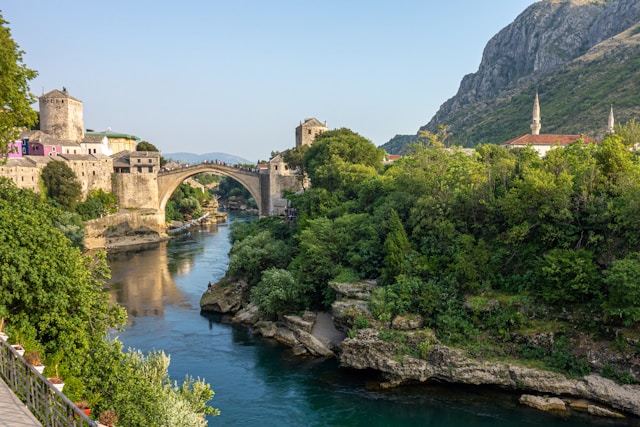
Bosnia and Herzegovina
Europe
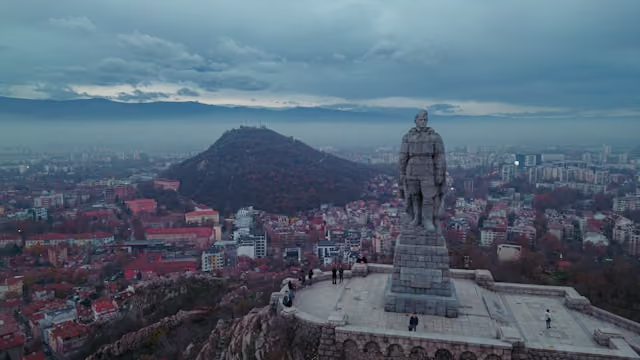
Bulgaria
Europe
Cyprus
Europe
Georgia
Europe
Kosovo
Europe
Malta
Europe
Moldova
Europe
Montenegro
Europe
North Macedonia
Europe

Russia
Europe
Serbia
Europe

Turkey
Europe
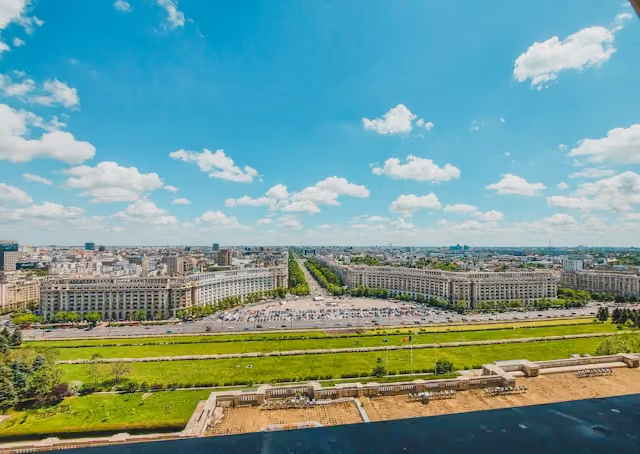
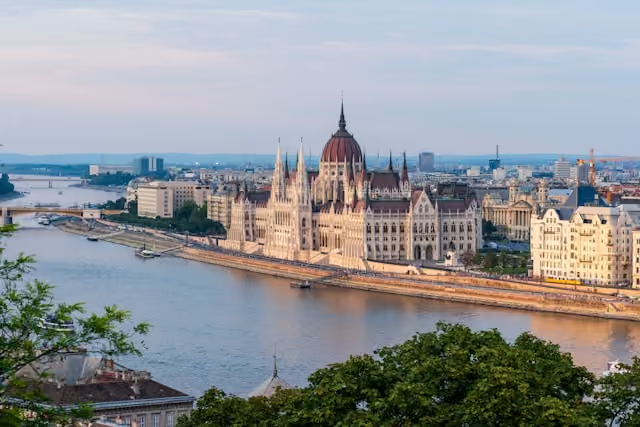
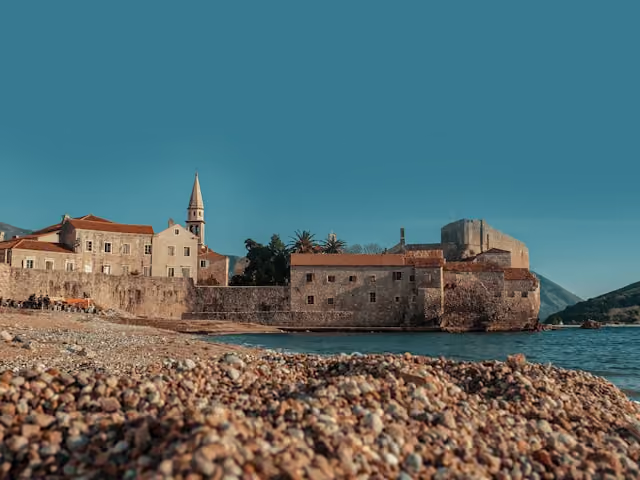
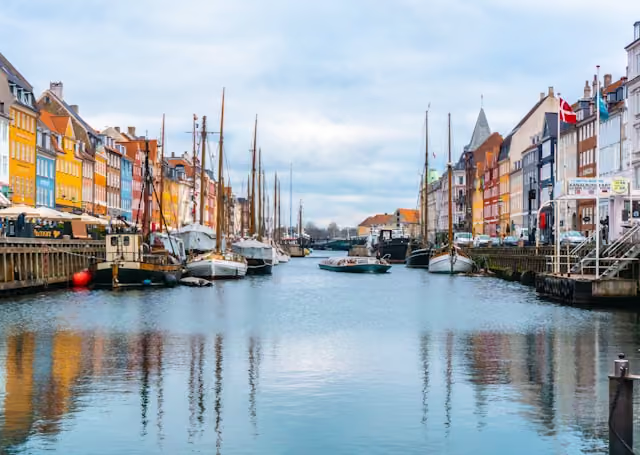
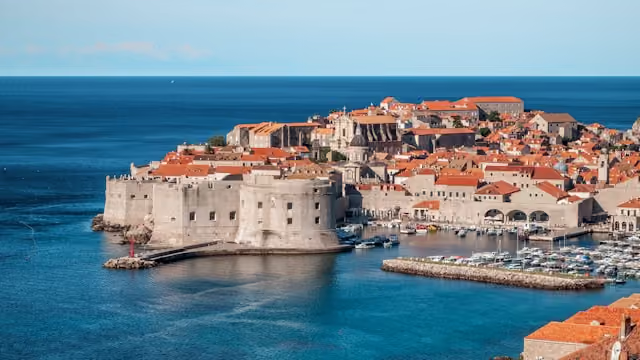
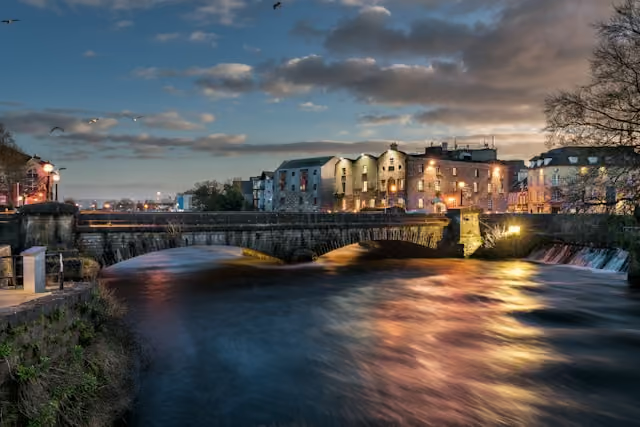
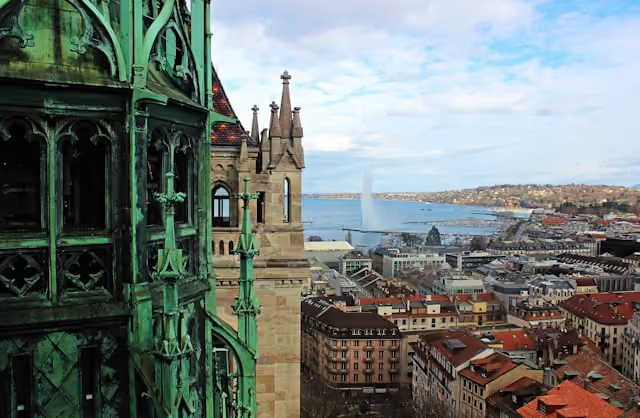
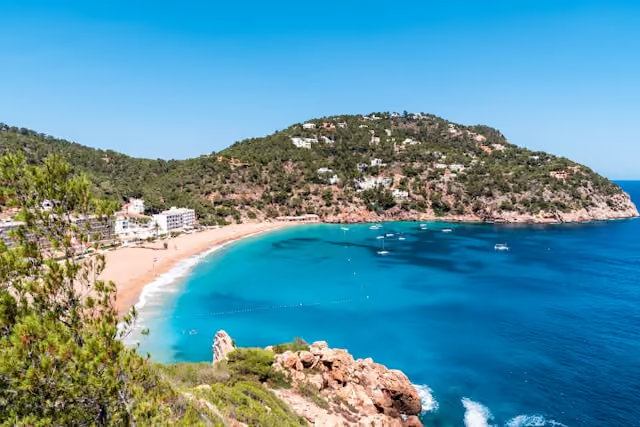
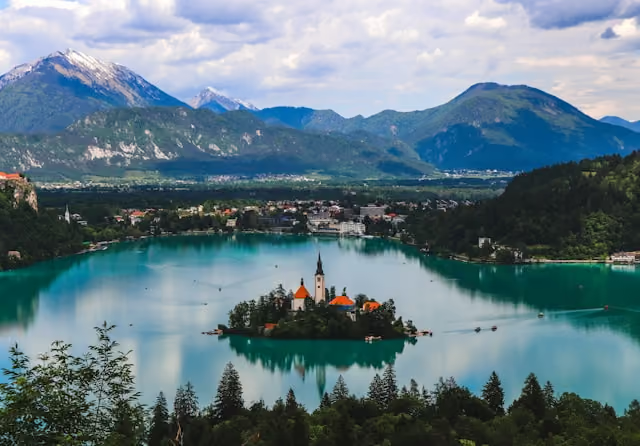
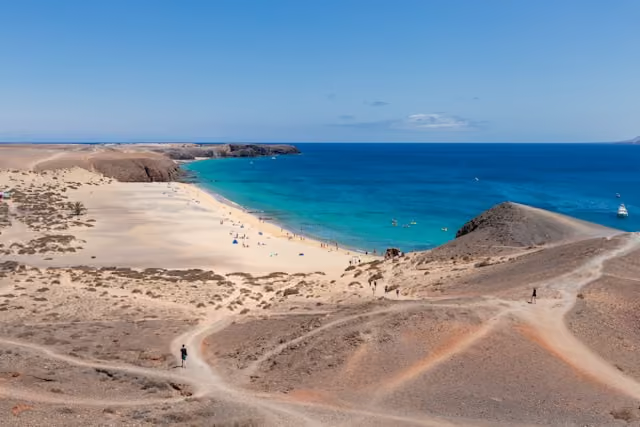
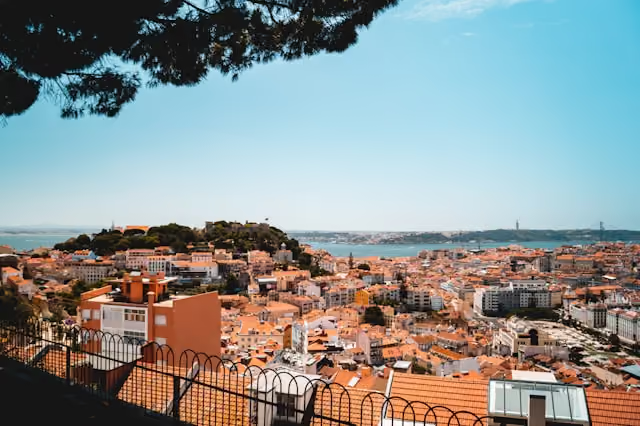
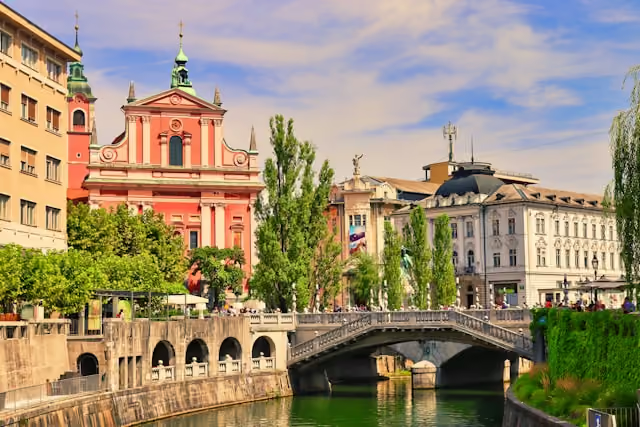
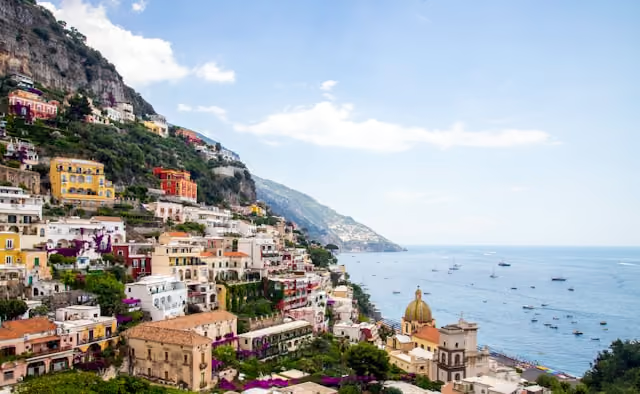
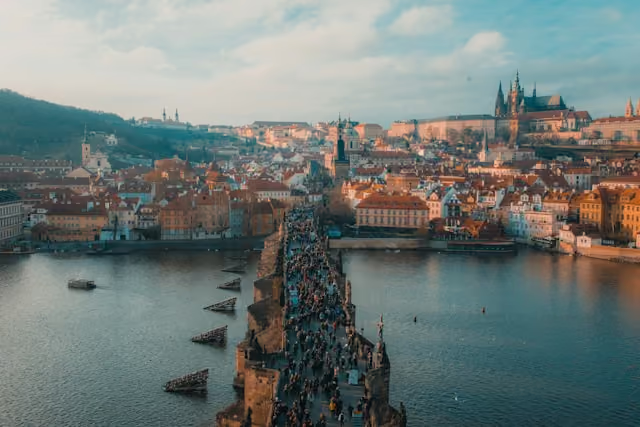
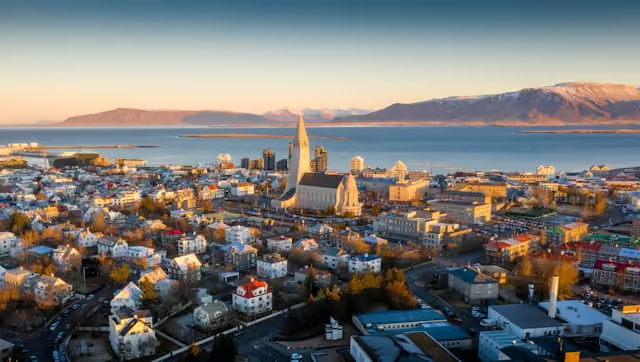
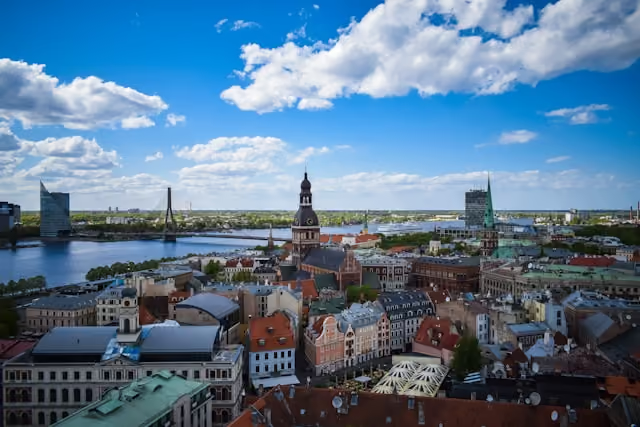
Popular destinations inEurope
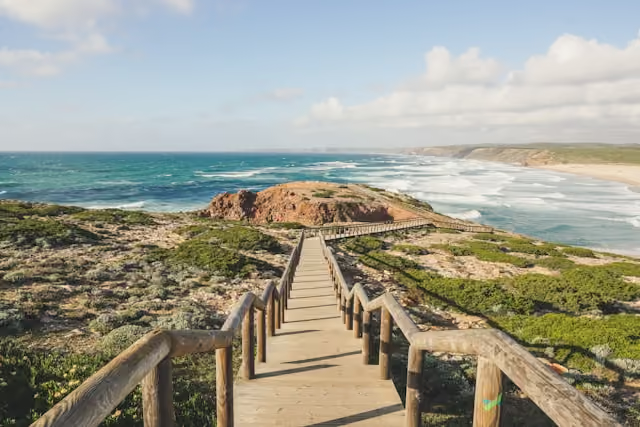
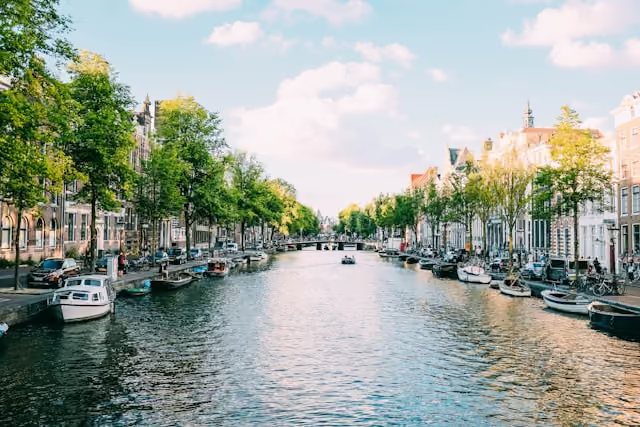
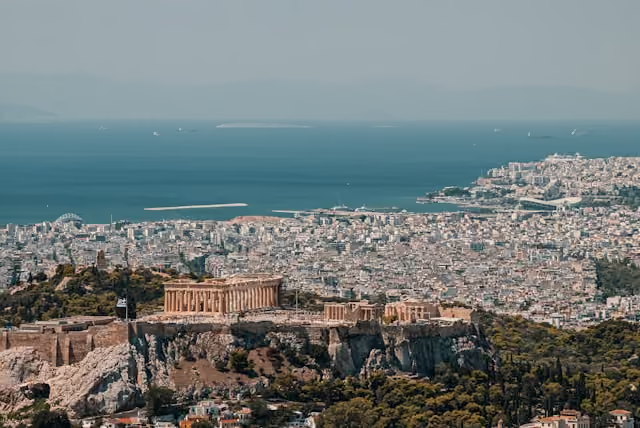
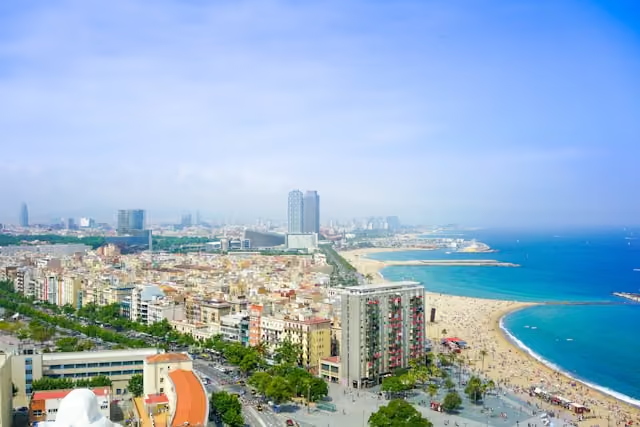
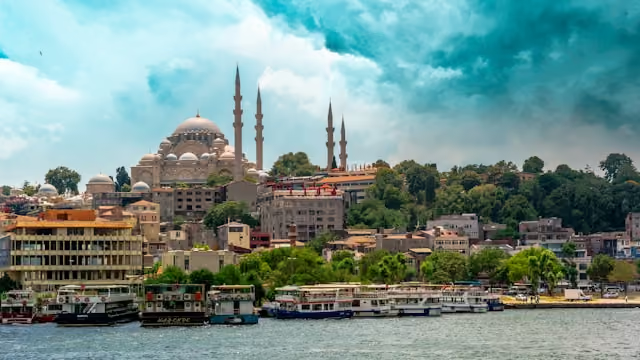
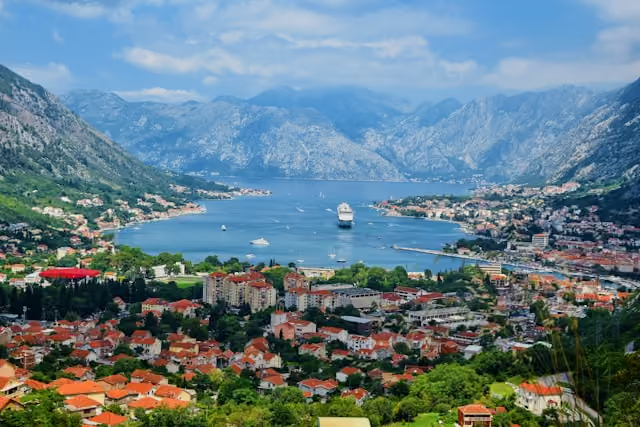
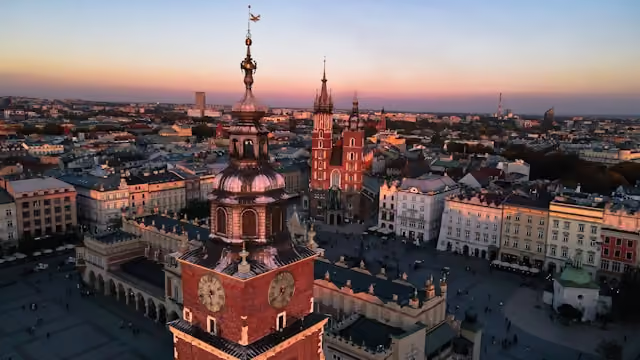
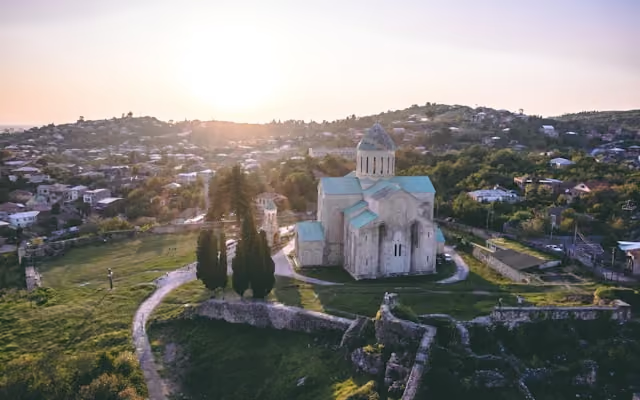

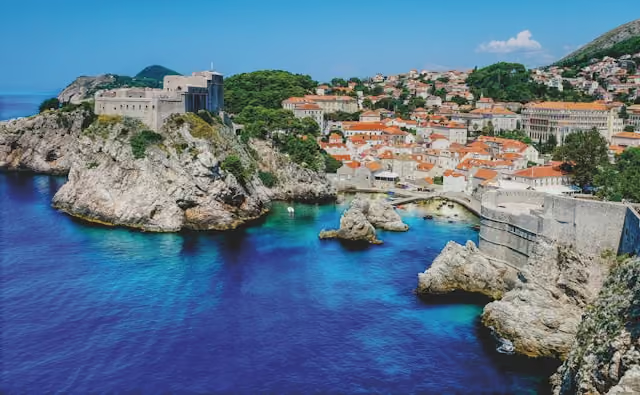
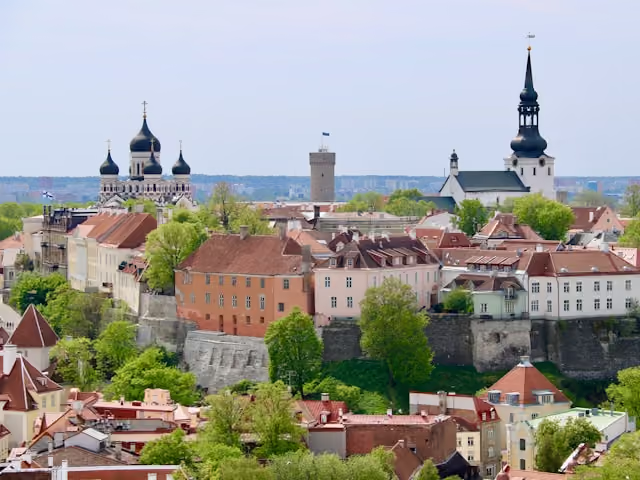
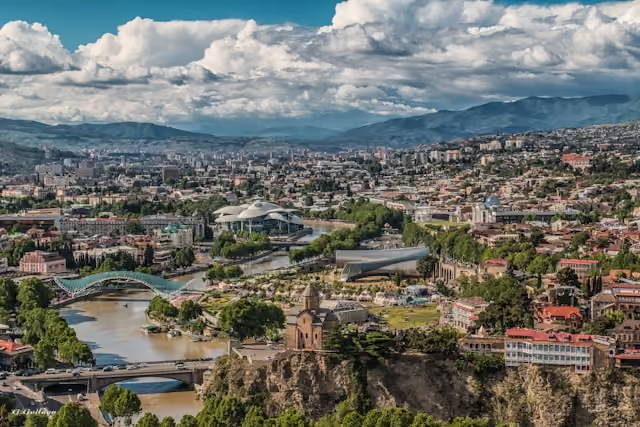
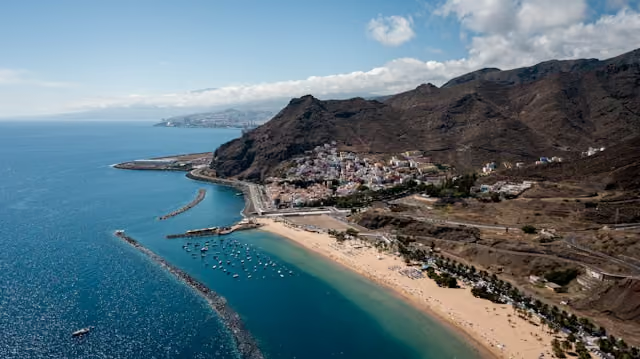


FAQ & Questions!
Which European country has the best tap water?
Iceland, Switzerland, Norway, and Austria are widely regarded as having the best tap water in Europe, sourced from glaciers, Alpine springs, and pristine mountain catchments with minimal treatment required. Iceland is often cited as having the purest tap water in the world.
Which European country has the least reliable tap water?
Among EU members, Romania and Bulgaria (not currently on the site) have the most variable infrastructure. Turkey, while not an EU member, is the most commonly cited European destination where visitors are advised against drinking tap water. Ukraine and some Balkan nations also have less consistent quality.
Is tap water safe across the entire European Union?
All EU member states are required to meet the EU Drinking Water Directive, which sets strict minimum quality standards. In practice, tap water is safe to drink in all EU capitals and major cities. Some older buildings — particularly in Eastern Europe — have aged internal pipes that can affect taste, though the mains supply itself meets standards.
Why do some Europeans prefer bottled water even though tap water is safe?
In countries like Germany, France, Italy, and Spain, drinking sparkling mineral water with meals is a deeply ingrained cultural habit rather than a safety concern. Tap water is completely safe in all these countries — the preference for bottled water is about taste and tradition, not risk.
Is tap water safe on European islands like the Canaries, Greek islands, or Malta?
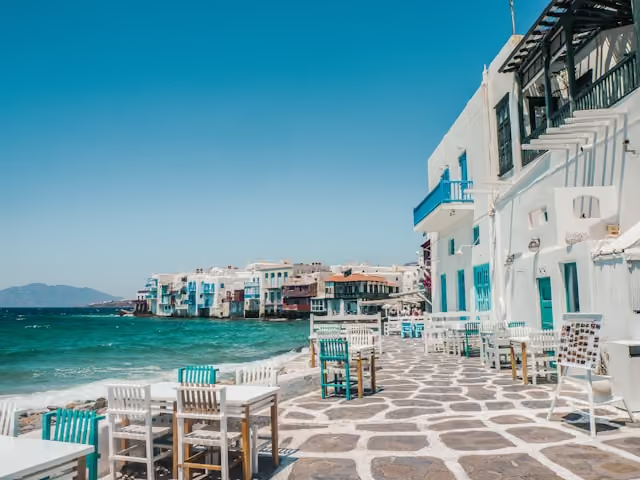
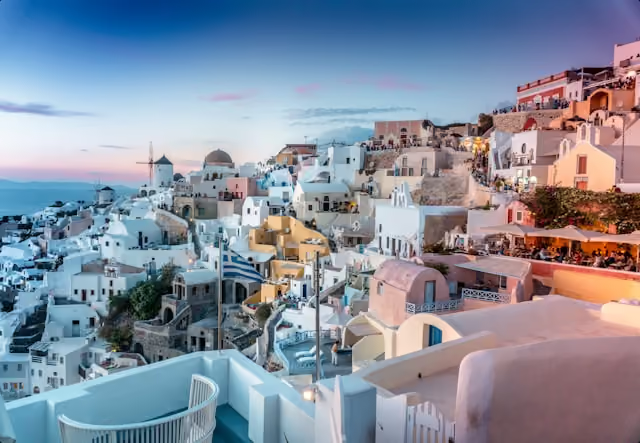
Island water safety in Europe varies. Greek islands, particularly the Cyclades (Santorini, Mykonos), often rely on desalination or water transported by tanker, and tap water is frequently not recommended for drinking. The Canary Islands desalinate seawater which is safe but unusual in taste. Malta's tap water is safe but highly mineralised.
We don't conduct independent water testing. We summarises and interpret publicly available official data. Conditions can change rapidly — always verify with local authorities before travelling.