

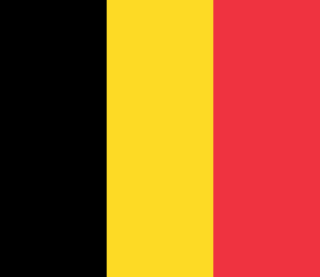
Can You Drink Tap Water in Belgium?
Tap water in Belgium is safe to drink and meets high European Union standards throughout the country.
Complete Drinking Water Safety Information for Belgium
Tap water in Belgium is completely safe to drink and is subject to some of the strictest quality regulations in the world under European Union drinking water directives. Belgium's water supply is managed by regional operators — De Watergroep and Pidpa in Flanders, SWDE and CILE in Wallonia, and Vivaqua in Brussels — all of which are subject to rigorous testing and quality monitoring. Water quality in Belgium consistently meets or exceeds WHO and EU standards.
In Brussels, Antwerp, Ghent, Bruges, and across Belgium's cities and towns, tap water is safe to drink directly from the tap. The country's water infrastructure is modern and well-maintained. Belgian tap water is regularly tested for hundreds of parameters and the results are publicly available. Belgium is one of the highest-ranked countries in Europe for drinking water quality.
Belgium's tap water is primarily sourced from groundwater — notably the large aquifers beneath the Flemish plains — as well as from surface water rivers including the Meuse. The water is treated and distributed through a reliable network. Hard water is common in parts of Flanders, which can affect taste and leave limescale deposits in kettles and coffee machines, but hardness does not affect safety.
Some residents in older buildings in Brussels and other cities may have lead pipes in the internal plumbing of buildings constructed before the 1970s. Lead pipe replacement programmes are ongoing across Belgium but not yet complete. If you are staying in a very old building for an extended period, running the tap for 30 seconds before drinking is a sensible precaution. For short-term visitors, this is not a significant concern.
Bottled Water information in Belgium

Bottled water is widely available throughout Belgium at supermarkets, convenience stores, and restaurants. Belgian mineral water brands including Spa and Chaudfontaine are internationally recognised and widely consumed. However, bottled water is entirely unnecessary from a safety perspective — Belgium's tap water is excellent and freely available. Choosing tap water over bottled is both more economical and more environmentally responsible.
Is ice safe in Belgium?
Ice is completely safe throughout Belgium. All ice in restaurants, cafes, bars, and hotels is made from Belgium's high-quality municipal tap water which meets EU safety standards. There are no concerns about ice consumption anywhere in the country.
Can you use a water filter in Belgium?
Water filters are not necessary for safety in Belgium. Some residents use pitcher filters such as Brita to soften hard water in parts of Flanders or to improve taste, but this is entirely a personal preference and not a safety requirement. Tap water throughout Belgium is safe without any filtration.
Should you boil tap water in Belgium?
Boiling tap water is not necessary in Belgium. The water meets strict EU and WHO standards and is safe to drink directly from the tap throughout the country. No treatment is needed for visitors staying anywhere in Belgium.
Popular destinations inBelgium
Questions!
Can you drink tap water in Brussels?
Yes. Tap water in Brussels is safe to drink and meets strict EU drinking water standards. It is provided by Vivaqua and regularly tested to ensure it complies with all quality requirements. Visitors can drink freely from the tap.
Is Belgian tap water hard or soft?
Water hardness varies across Belgium. Flanders generally has harder water due to the limestone geology of its aquifers, while Wallonia and Brussels tend to have softer water. Hard water is safe to drink but can affect the taste of tea and coffee and leave limescale in appliances.
Are Spa and Chaudfontaine good Belgian water brands?
Yes. Spa (sourced from the Ardennes) and Chaudfontaine (a warm spring water) are Belgium's most famous mineral water brands and are of excellent quality. However, they are not necessary for health or safety — Belgium's tap water is equally safe and of high quality.
Is tap water safe in older buildings in Belgium?
Generally yes, but older buildings constructed before the 1970s may have internal lead pipes that have not yet been replaced. Running the tap for 30 seconds before drinking is a sensible precaution in very old buildings. Lead pipe replacement programmes are ongoing across Belgium.
What is Belgium's tap water source?
Belgium's water comes primarily from groundwater aquifers — particularly the large chalk and sand aquifers beneath Flanders — and from surface water including the Meuse river in Wallonia. All sources undergo comprehensive treatment before distribution.
We don't conduct independent water testing. We summarises and interpret publicly available official data. Conditions can change rapidly — always verify with local authorities before travelling.
Explore all popular destinations inBelgium
Explore more countries in Europe
Complete tap water safety guides for European countries, covering Western Europe, Eastern Europe, Southern Europe, and Northern Europe.





📚 Official Resources & Further Reading

.svg)
