

Can You Drink Tap Water in Italy?
Tap water in Italy is safe to drink throughout the country and meets EU safety standards.
Complete Drinking Water Safety Information for Italy
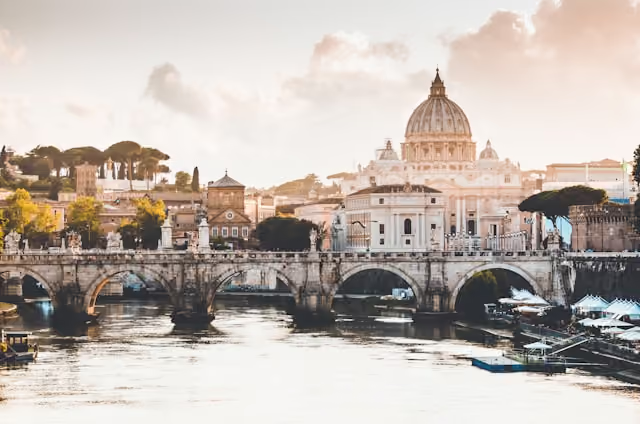
Tap water in Italy is safe to drink in all major cities and throughout most of the country, meeting strict European Union water quality directives. In Rome, Milan, Florence, Venice, Naples, and other cities, tap water is treated to high standards and completely safe for consumption. Most Italians drink tap water and visitors can do the same confidently. Rome's tap water is particularly famous, supplied by ancient aqueducts and modern treatment facilities, and is considered some of Europe's best. Public drinking fountains (nasoni) throughout Rome provide free potable water that is safe and refreshing.
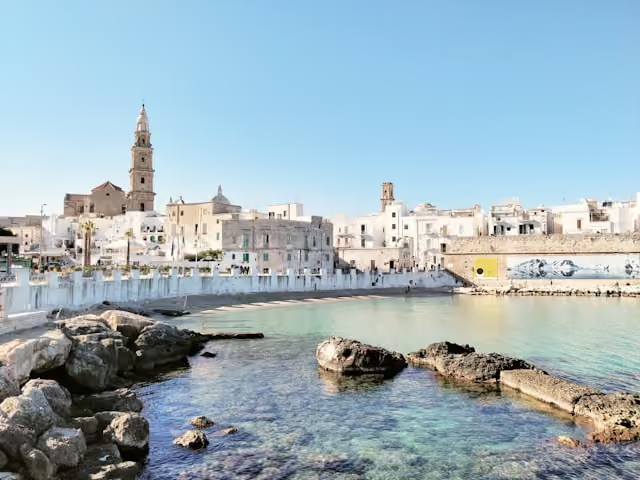
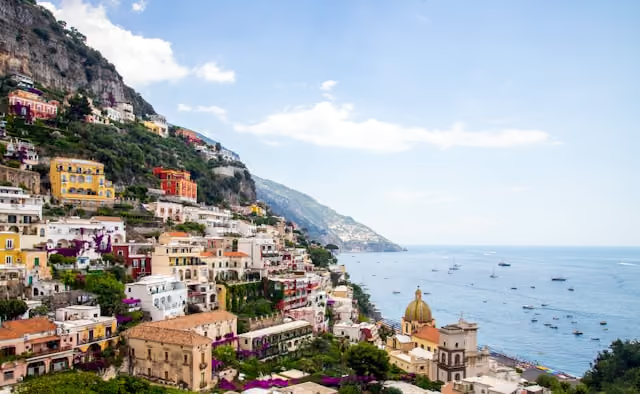
Milan, Turin, and northern Italian cities have excellent water infrastructure with safe tap water. Florence and Tuscany have safe tap water though the mineral content is higher, giving water a distinct taste. Venice's tap water comes from mainland sources and is treated and safe despite the city's unique aquatic setting. Southern Italy including Naples, Bari, and Sicily has safe tap water that meets EU standards, though some areas have higher mineral content. Sardinia's tap water is safe throughout the island.
In rural areas, mountain villages, and the Italian Alps, water quality remains excellent often sourced from pristine mountain springs. Some older buildings in historic city centers may have aging pipes that could affect taste, but the water remains safe. Throughout Italy, tap water can be used for drinking, brushing teeth, making ice, and cooking. Despite safe tap water, many Italians prefer bottled water for taste preferences and cultural reasons. Restaurants typically serve bottled water but tap water (acqua del rubinetto) can be requested.
Bottled Water information in Italy

Bottled water is available everywhere including supermarkets, alimentari, bars, and vending machines. Prices range from €0.40-€1.50 per liter. Popular brands include San Pellegrino, Acqua Panna, and Ferrarelle. However, tap water is safe and free throughout Italy.
Is ice safe in Italy?
Ice is completely safe throughout Italy. All ice in restaurants, bars, gelaterias, and hotels is made from treated municipal water that meets EU safety standards. There are no concerns about ice consumption.
Can you use a water filter in Italy?
Water filters are not necessary for safety in Italy as tap water meets high EU standards. Some residents use filters for taste preferences or to reduce mineral content in hard water areas, but filtration is optional.
Should you boil tap water in Italy?
Boiling is completely unnecessary in Italy. Tap water meets strict EU safety standards and is safe to drink directly from any tap including Rome's famous public fountains. Boiling is not needed by visitors.
Questions!
Can you drink tap water in Rome?
Yes. Rome has an ancient tradition of clean drinking water and the city's iconic public fountains (nasoni) run fresh, safe tap water 24 hours a day. The water is sourced from the Apennine mountains.
Can you drink tap water in Venice?
Yes. Venice's tap water is safe to drink and is piped in from the mainland. Locals drink it and visitors can too — the city's famous wellheads (pozzi) are now decorative but the modern supply is completely safe.
Is tap water safe in southern Italy and Sicily?
Generally yes by EU standards, though water quality in parts of Sicily and Calabria can be less consistent. Some locals in these regions prefer bottled water, and it is the safer choice in rural southern areas.
We don't conduct independent water testing. We summarises and interpret publicly available official data. Conditions can change rapidly — always verify with local authorities before travelling.
Explore all popular destinations inItaly
Explore more countries in Europe
Complete tap water safety guides for European countries, covering Western Europe, Eastern Europe, Southern Europe, and Northern Europe.
















📚 Official Resources & Further Reading
World Health Organization – Italy Water Standards
European Environment Agency – Water Quality
Italy Ministry of Health
CDC – Italy Travel Information
Italian Water Authority

.svg)
