


Can You Drink Tap Water in Romania?
Tap water in Romania is safe to drink in major cities and meets EU safety standards, though quality varies by location.
Complete Drinking Water Safety Information for Romania
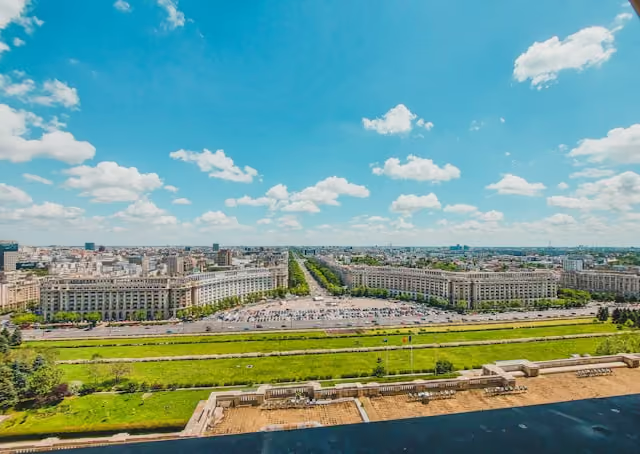
Tap water in Romania is safe to drink in Bucharest and major cities, meeting European Union water quality standards in urban areas. Romanian tap water is treated to EU requirements in cities though infrastructure quality varies significantly across the country. Many Romanians prefer bottled water due to taste and infrastructure concerns. Bucharest's tap water is treated by Apa Nova and meets EU standards, though some residents use filters due to aging building pipes that can affect taste. The water is safe for consumption.
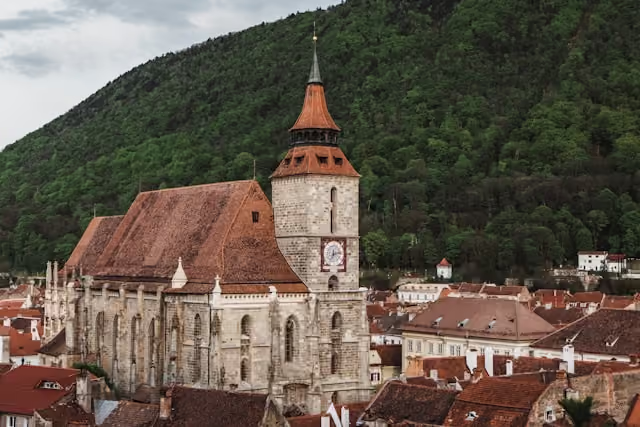
Cluj-Napoca, Timișoara, and Transylvania region have tap water meeting EU standards with relatively good infrastructure. Brașov, Sibiu, and central Romania tourist areas have safe tap water in hotels and restaurants. Constanța and the Black Sea coast have treated tap water that meets standards. The Danube Delta and rural areas have more variable water quality - verify with accommodation in remote areas.
Small villages throughout Romania may have older infrastructure or rely on wells where quality varies. Throughout major Romanian cities including Iași, Craiova, and urban centers, tap water is treated and meets basic safety requirements. Tourist areas and hotels generally have safe tap water. Romania's water infrastructure has improved since EU accession but remains uneven between cities and rural areas. Throughout Bucharest and major cities, tap water can be used for drinking and brushing teeth, though many locals prefer bottled water.
In rural Romania and remote areas, verify water source before consuming.
Bottled Water information in Romania

Bottled water is affordable (2-5 RON or €0.40-€1.00 per liter) and available at all supermarkets (Kaufland, Carrefour, Lidl), shops, and kiosks. Popular brands include Dorna and Bucovina. Many locals prefer bottled water despite tap water meeting standards in cities.
Is ice safe in Romania?
Ice is safe in Bucharest and major Romanian cities in hotels and established restaurants where it's made from treated municipal water. In rural areas or uncertain locations, ice should be verified.
Can you use a water filter in Romania?
Many Romanians in cities use water filters for taste and peace of mind. Filters are not strictly necessary for safety in major cities but are common. In rural areas, portable filters provide useful backup for travelers.
Should you boil tap water in Romania?
Boiling is not necessary in Bucharest and major cities where tap water meets EU standards. In rural areas or villages with uncertain infrastructure, boiling provides extra safety if tap water must be consumed.
Popular destinations inRomania
Questions!
Can you drink tap water in Bucharest?
Technically yes by EU standards, but most Bucharest residents avoid drinking tap water directly due to aging pipes and a strong chlorine taste. Bottled or filtered water is the normal choice for locals and visitors.
Is tap water safe outside Bucharest in rural Romania?
In rural areas and smaller towns, water infrastructure is older and quality is less reliable. Bottled water is the recommended choice outside major cities in Romania.
We don't conduct independent water testing. We summarises and interpret publicly available official data. Conditions can change rapidly — always verify with local authorities before travelling.
Explore all popular destinations inRomania
Explore more countries in Europe
Complete tap water safety guides for European countries, covering Western Europe, Eastern Europe, Southern Europe, and Northern Europe.


















📚 Official Resources & Further Reading
World Health Organization – Romania Water Quality
European Environment Agency – Water Standards
Romania Ministry of Health
CDC – Romania Travel Information
Romanian Water Association

.svg)
