

Can You Drink Tap Water in Slovenia?
Tap water in Slovenia is safe to drink and is of excellent quality throughout the country, including near the famous Lake Bled.
Complete Drinking Water Safety Information for Slovenia
Tap water in Slovenia is completely safe to drink and is considered among the highest quality in Central Europe. Slovenia is a small but extraordinarily water-rich country — it has the highest per-capita freshwater resources in the European Union — and this natural abundance is reflected in the exceptional quality of its tap water. Water is sourced from clean underground aquifers, springs, and rivers fed by the Julian Alps, and is treated and distributed to EU drinking water standards.
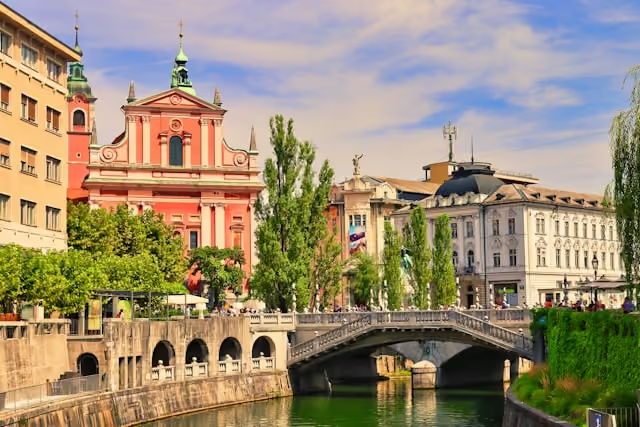
In Ljubljana, the capital and main tourist destination, tap water is excellent and safe to drink directly from the tap. Ljubljana is one of Europe's most liveable and environmentally conscious capitals, and the city actively promotes its tap water quality — public water fountains (called pitna voda — drinking water) are found throughout the city centre and provide free, high-quality drinking water to residents and visitors. In 2017, Ljubljana became the first European capital to commit to providing free drinking water in public spaces as part of its environmental policy.
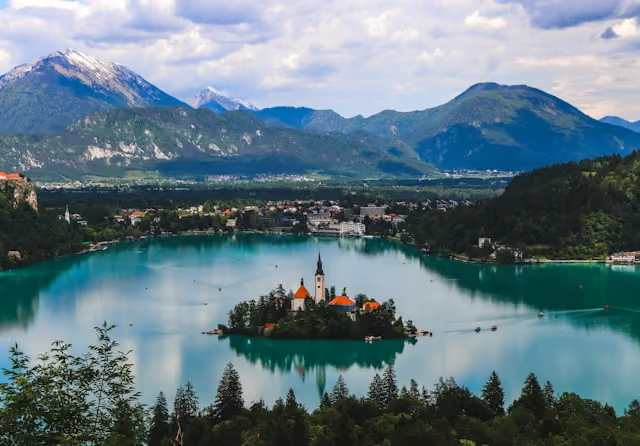
Near Lake Bled — one of the most photographed destinations in Europe and Slovenia's most popular tourist attraction — tap water in hotels, guesthouses, and restaurants is safe to drink. The broader Gorenjska region is supplied by some of the cleanest water in Slovenia, sourced from Alpine springs and aquifers fed by the Julian Alps. Visitors to Lake Bled, Kranjska Gora, and the Triglav National Park area can drink tap water with complete confidence.
Across Slovenia's wine regions, thermal spa towns (including Portorož and Rogaška Slatina), and the Karst limestone plateau region near the Adriatic coast, tap water remains safe and of high quality throughout.
Bottled Water information in Slovenia

Bottled water is available throughout Slovenia but is largely unnecessary. Slovenia is one of Europe's most water-conscious countries and actively promotes tap water consumption. Ljubljana's public drinking water fountains are a visible expression of this. Rogaška Slatina — famous for its Donat Mg mineral water, one of the world's most magnesium-rich natural mineral waters — produces bottled water of international renown if you want to try a local specialty. Prices for standard bottled water are €0.30–€0.70 per 1.5-litre bottle in supermarkets.
Is ice safe in Slovenia?
Ice is completely safe throughout Slovenia. All ice in restaurants, hotels, cafes, and bars is made from Slovenia's excellent municipal tap water. There are no concerns about ice consumption for visitors anywhere in the country.
Can you use a water filter in Slovenia?
Water filters are not necessary in Slovenia. Tap water quality is excellent and already exceeds the standards filters are designed to achieve. Some residents in the Karst region use softening filters due to the area's naturally hard water, but this is a taste preference and not a safety consideration.
Should you boil tap water in Slovenia?
Boiling tap water is not necessary in Slovenia. The water is of excellent quality and safe to drink directly from the tap throughout the country, including at Lake Bled, in Ljubljana, and in rural and mountain areas with piped water supply.
Questions!
Can you drink tap water at Lake Bled?
Yes. Tap water at Lake Bled and throughout the Gorenjska region is safe to drink and of excellent quality, sourced from Alpine springs and aquifers fed by the Julian Alps. Visitors can drink freely from any tap in hotels and guesthouses around the lake.
Does Ljubljana have public drinking water fountains?
Yes. Ljubljana has a network of public drinking water fountains (pitna voda) throughout the city centre providing free, high-quality tap water. In 2017 Ljubljana became the first European capital to commit to providing free public drinking water citywide, reflecting Slovenia's strong water quality and environmental values.
Is Slovenian tap water safe in mountain and hiking areas?
In Triglav National Park and the Julian Alps, piped water at huts and refuges is safe to drink. For natural stream and spring water in the mountains, treat before consuming as a precaution. The water looks pristine but wildlife activity can introduce pathogens in remote areas.
What is Donat Mg water from Slovenia?
Donat Mg is a natural mineral water from Rogaška Slatina in eastern Slovenia and is one of the world's most magnesium-rich mineral waters. It has a strong, distinctive taste due to its high mineral content and is widely used therapeutically. It is available throughout Slovenia and exported internationally.
Is tap water safe near Slovenia's Adriatic coast and Portorož?
Yes. Tap water throughout the Slovenian Karst region and the short Adriatic coastline including Portorož and Piran is safe to drink and meets EU standards. Water in coastal areas is slightly harder than in the Alpine north but is completely safe.
We don't conduct independent water testing. We summarises and interpret publicly available official data. Conditions can change rapidly — always verify with local authorities before travelling.
Explore all popular destinations inSlovenia
Explore more countries in Europe
Complete tap water safety guides for European countries, covering Western Europe, Eastern Europe, Southern Europe, and Northern Europe.



.svg)
