


Can You Drink Tap Water in Cyprus?
Tap water in Cyprus is safe to drink and meets EU standards, but the strong taste from desalination and aging pipes means most residents and visitors use bottled water.
Complete Drinking Water Safety Information for Cyprus
Tap water in Cyprus is technically safe to drink and meets European Union drinking water standards — Cyprus has been an EU member since 2004. However, the vast majority of residents and visitors choose bottled water due to the distinctive taste of Cyprus's desalinated water supply and concerns about aging distribution infrastructure. Cyprus is a small Mediterranean island with no major rivers and severely limited natural freshwater resources, making it one of the most water-stressed countries in Europe.
Cyprus relies heavily on seawater desalination to meet its water needs, particularly during the long dry summer months when the island receives almost no rainfall. The country operates multiple desalination plants along its coastline. Desalinated water is safe to drink but has a flat, sometimes slightly salty taste that many people find unappealing compared to spring or groundwater sources. This taste difference, rather than safety concerns, is the primary reason most Cypriots and tourists choose bottled water.
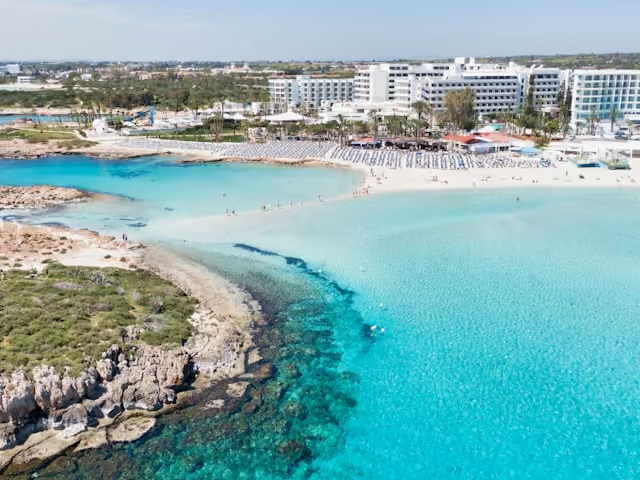
In Nicosia, Limassol, Larnaca, Paphos, and Ayia Napa — Cyprus's main cities and resort areas — tap water is treated and safe but the bottled water habit is deeply ingrained. Hotels throughout the island provide bottled water as standard. Many older apartment blocks and villa complexes have rooftop water storage tanks that can accumulate sediment over time, which can affect taste and quality even if the municipal supply is safe.
Cyprus is one of the UK's most popular holiday destinations, particularly for sun, beach, and resort holidays. British visitors will find bottled water widely available and inexpensive throughout the island. For those staying in all-inclusive or hotel accommodation, drinking water is provided as standard and direct tap consumption is generally unnecessary.
Bottled Water information in Cyprus

Bottled water is universally available throughout Cyprus at supermarkets, kiosks, hotels, and restaurants. Prices are affordable at €0.40–1.00 per 1.5-litre bottle. Both local Cypriot brands and imported Greek and European brands are available. In summer heat, staying well hydrated is essential — Cyprus regularly records temperatures above 40°C in July and August. Large 5 and 10-litre bottles from supermarkets are the most economical option for villa and apartment stays.
Is ice safe in Cyprus?
Ice is safe throughout Cyprus in hotels, restaurants, and bars. Ice is commercially produced or made from the municipal treated water supply which meets EU safety standards. There are no health concerns about ice consumption in Cyprus's tourist and resort areas.
Can you use a water filter in Cyprus?
Water filters are used by many Cypriot households to improve the taste of tap water, particularly to address the flat taste of desalinated water and to filter any sediment from rooftop storage tanks. Under-sink reverse osmosis systems are popular. For visitors, bottled water is more practical, but for long-term residents a good filter is a worthwhile investment.
Should you boil tap water in Cyprus?
Boiling tap water is not necessary in Cyprus from a safety standpoint — the water meets EU drinking water standards. The preference for bottled water in Cyprus is driven by taste rather than safety. No treatment is required if you choose to drink tap water.
Questions!
Can you drink tap water in Cyprus?
Technically yes — Cyprus tap water meets EU safety standards. However, most people use bottled water due to the flat taste of desalinated water and concerns about older building storage tanks. Bottled water is inexpensive and universally available.
Why does Cyprus tap water taste different?
Cyprus relies heavily on seawater desalination to meet its freshwater needs. Desalinated water is safe but has a distinctive flat, sometimes slightly brackish taste that most people find less pleasant than spring or groundwater. This taste difference is the main reason bottled water is preferred.
Is tap water safe in Cyprus holiday villas and apartments?
The municipal supply meets EU standards, but older villas and apartment complexes often have rooftop storage tanks that can collect sediment over time. For villa and apartment stays, using bottled water for drinking and cooking is the recommended approach.
Is water safe at Cyprus beach resorts like Ayia Napa and Paphos?
Yes, from a safety standpoint. Hotels and resorts throughout Cyprus provide safe treated water. Bottled water is however the standard choice throughout the resort areas and is provided by most hotels as standard.
How do I stay hydrated in Cyprus's summer heat?
Cyprus summers are extremely hot — temperatures frequently exceed 38–40°C in July and August. Staying well hydrated is essential. Large 5 and 10-litre water bottles from supermarkets are the most economical way to ensure a sufficient water supply for villa and apartment stays. Carry a personal water bottle when out during the day.
We don't conduct independent water testing. We summarises and interpret publicly available official data. Conditions can change rapidly — always verify with local authorities before travelling.
Explore all popular destinations inCyprus
Explore more countries in Europe
Complete tap water safety guides for European countries, covering Western Europe, Eastern Europe, Southern Europe, and Northern Europe.










































📚 Official Resources & Further Reading

.svg)
