

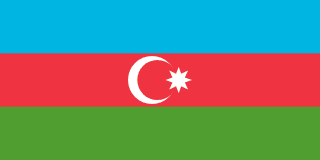
Can You Drink Tap Water in Azerbaijan?
Tap water in Azerbaijan is not recommended for drinking. Bottled or filtered water is essential for all visitors throughout the country.
Complete Drinking Water Safety Information for Azerbaijan
Tap water in Azerbaijan is not safe to drink and should be avoided throughout the country, including in the capital Baku. Azerbaijan's water infrastructure reflects the challenges of rapid urban growth, uneven oil wealth distribution, and aging Soviet-era networks. While significant investment has been made in Baku's infrastructure driven by oil revenues and international events including the 2015 European Games and Formula 1 Grand Prix, tap water quality in the capital remains unreliable for direct consumption.
In Baku, Azerbaijan's modern and rapidly developing capital on the Caspian Sea, tap water is treated at municipal facilities but contamination through the distribution network remains a concern. Most Baku residents — including those in the upscale districts and new residential developments — use household filters or purchase bottled water. International hotels and the many serviced apartments catering to the oil industry expat community provide bottled or filtered water as standard. Baku has become a significant tourism destination in its own right, with its dramatic mix of medieval Old City (a UNESCO World Heritage site), Soviet architecture, and ultra-modern flame towers attracting growing visitor numbers.
Outside Baku, water infrastructure quality decreases considerably. In Ganja, Sumqayit, Sheki, and other cities, water treatment is less reliable and aging infrastructure is more pronounced. In rural areas and the mountain regions of the Greater and Lesser Caucasus — increasingly popular with trekking visitors — water comes from springs and rivers that must be treated before consumption.
Azerbaijan's Caspian coastline and inland regions have been affected by decades of oil industry activity that has impacted groundwater quality in some areas, particularly around the Absheron Peninsula near Baku. Bottled water is essential throughout the country.
Bottled Water information in Azerbaijan

Bottled water is widely available throughout Azerbaijan in supermarkets, shops, petrol stations, and hotels. Local Azerbaijani mineral water brands including Badamli (from mountain springs in northern Azerbaijan) are of good quality and widely available. International brands are also stocked in Baku. Prices are affordable at AZN 0.50–1.50 (approximately USD $0.30–$0.90) per 1.5-litre bottle. In mountain and rural areas, bottled water availability decreases — stock up before heading to remote destinations.
Is ice safe in Azerbaijan?
Ice in international hotels and upscale restaurants in Baku is generally made from filtered or commercial water and is reasonably safe. In local restaurants, tea houses (chaykhanas), and smaller establishments, ice may be made from tap water and should be avoided. Opt for chilled bottled drinks at local establishments throughout Azerbaijan.
Can you use a water filter in Azerbaijan?
Water filters are used by many Azerbaijani households and are a practical solution for extended stays. For trekking in the Caucasus mountain regions, a portable hollow fibre filter combined with UV purification provides reliable protection from river and spring water sources. For Baku-based visitors, bottled water is the more practical choice for short stays.
Should you boil tap water in Azerbaijan?
Yes, boiling is recommended if tap water is your only option. A rolling boil for one minute kills biological pathogens. In areas near industrial or oil industry zones, boiling does not address chemical or heavy metal contamination — bottled water is the only safe option in these areas. Bottled water is widely available throughout Baku and the main tourist areas.
Popular destinations inAzerbaijan
Questions!
Can you drink tap water in Baku?
No. Tap water in Baku is not recommended for direct consumption. Despite significant infrastructure investment, the distribution network has contamination risks and most residents and all visitors use bottled or filtered water. All international hotels provide bottled water as standard.
Is Azerbaijan safe to visit as a tourist?
Yes. Azerbaijan, and Baku in particular, is a safe destination for international visitors with a well-developed tourist infrastructure. The country has hosted major international events including Formula 1 and the European Games. Standard food and water hygiene precautions apply throughout your visit.
Is water safe for trekking in the Caucasus mountains of Azerbaijan?
Mountain water sources in the Greater Caucasus region of northern Azerbaijan should be treated before consumption despite often appearing pristine. A quality filter and UV purifier is recommended for any trekking or hiking in the mountain regions. Bottled water is available in towns like Sheki and Quba but not in remote backcountry areas.
Has oil industry activity affected water quality in Azerbaijan?
Yes. Decades of oil extraction activity around Baku and the Absheron Peninsula have affected groundwater quality in some areas. Industrial contamination is a documented concern in parts of the Absheron Peninsula. Bottled water from commercial sources is strongly recommended throughout the Baku region.
What is Badamli water from Azerbaijan?
Badamli is Azerbaijan's most well-known natural mineral water, sourced from springs in the mountainous Ordubad district of Nakhchivan. It has been bottled commercially since the Soviet era and is widely available throughout Azerbaijan as a reliable and good-quality local mineral water option.
We don't conduct independent water testing. We summarises and interpret publicly available official data. Conditions can change rapidly — always verify with local authorities before travelling.
Explore all popular destinations inAzerbaijan
Explore more countries in Europe
Complete tap water safety guides for European countries, covering Western Europe, Eastern Europe, Southern Europe, and Northern Europe.











📚 Official Resources & Further Reading

.svg)
