

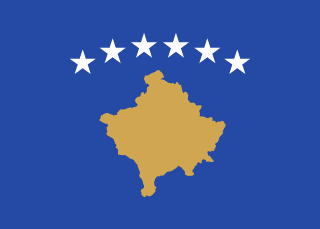
Can You Drink Tap Water in Kosovo?
Tap water in Kosovo is treated but most visitors use bottled water due to aging infrastructure and variable quality across the country.
Complete Drinking Water Safety Information for Kosovo
Tap water in Kosovo is treated in major cities but is generally not recommended for direct consumption by visitors. Kosovo declared independence in 2008 and is one of Europe's youngest countries, still developing its infrastructure across many sectors including water and sanitation. Water treatment facilities exist in Pristina and other main cities but the distribution network is aging and intermittent supply is common in many areas. Kosovo is not an EU member state and its water standards are not subject to EU enforcement, though alignment with European standards is a long-term goal as part of the EU integration process.
In Pristina, the capital and most visited city, tap water is treated by the Kosovo Waterworks utility (KRU Pristina). However, aging distribution infrastructure, frequent pipe breaks, and intermittent supply mean that water quality at the tap is unreliable. Most Pristina residents use large water dispenser bottles delivered to homes and offices, or purchase bottled water, rather than drinking from the tap. International NGO workers, diplomats, and foreign visitors — who make up a significant portion of Kosovo's regular foreign visitors given the country's ongoing state-building context — universally use bottled water.
Kosovo has been developing as a tourist destination, with Pristina's vibrant cafe culture and nightlife, the historic Prizren, and outdoor activities in the Rugova Gorge and surrounding mountains attracting growing visitor numbers. In Prizren, Peja (Peć), Gjakova, and other cities, water infrastructure is similarly aged and bottled water is the safe default. In the Rugova Gorge and mountain areas popular with hikers, spring and river water must be treated before consumption.
Bottled Water information in Kosovo

Bottled water is widely available throughout Kosovo in supermarkets, shops, cafes, and hotels at affordable prices — typically €0.50–1.20 per 1.5-litre bottle. Local Kosovo brands are available alongside imported Slovenian and Serbian mineral waters. Bottled water is the standard choice for all visitors throughout the country. Large 19-litre water cooler bottles are commonly used by offices and expat households in Pristina.
Is ice safe in Kosovo?
Ice in hotels and tourist-oriented restaurants in Pristina and Prizren is generally made from filtered or commercial water and is reasonably safe. In local cafes and smaller establishments, ice may be made from tap water. Request chilled bottled drinks if uncertain about ice quality at any establishment.
Can you use a water filter in Kosovo?
A portable filter is useful for outdoor and mountain travel in Kosovo, particularly in the Rugova Gorge, Bjeshkët e Nemuna National Park, and other hiking areas where spring and river water are the only sources. For city visits to Pristina and Prizren, bottled water is the practical choice.
Should you boil tap water in Kosovo?
Boiling is recommended if tap water is your only option in Kosovo. A rolling boil for one minute kills biological pathogens present in tap water. Bottled water is inexpensive and widely available in cities, making boiling rarely necessary for visitors in urban areas. In rural and mountain areas, boiling or filtering natural water sources is essential.
Popular destinations inKosovo
Questions!
Can you drink tap water in Pristina?
No. Tap water in Pristina is not recommended for direct consumption. Aging infrastructure, intermittent supply, and pipe quality issues mean bottled water is the universal choice for residents and visitors alike. Use bottled water throughout your stay in Pristina.
Is Kosovo safe to visit as a tourist?
Yes. Kosovo is generally considered safe for tourists and has a welcoming and hospitable culture. Pristina has a lively cafe and restaurant scene and Prizren is one of the Balkans' most charming historic towns. Standard food and water hygiene precautions apply.
Is Kosovo recognised as a country for travel purposes?
Kosovo is recognised by over 100 countries including the USA, UK, and most EU member states, but not by Serbia, Russia, China, or several other countries. Check your government's specific travel advisory and ensure your nationality is acceptable for entry before planning a visit.
Is water safe in Prizren and historic areas?
Prizren's tap water is treated but aging infrastructure means bottled water is the recommended choice. Bottled water is widely available throughout Prizren's old bazaar area and hotels.
Is water safe for hiking in the Rugova Gorge and Albanian Alps?
The Rugova Gorge and Bjeshkët e Nemuna National Park offer spectacular hiking with natural water sources including rivers and springs. All natural water must be treated before consumption. Carry a quality filter or purification tablets for any multi-day hiking in the Kosovo mountains.
We don't conduct independent water testing. We summarises and interpret publicly available official data. Conditions can change rapidly — always verify with local authorities before travelling.
Explore all popular destinations inKosovo
Explore more countries in Europe
Complete tap water safety guides for European countries, covering Western Europe, Eastern Europe, Southern Europe, and Northern Europe.








.svg)
