

Can You Drink Tap Water in Guatemala?
Tap water in Guatemala is not safe to drink. Water treatment is inadequate and contamination is common throughout the country.
Complete Drinking Water Safety Information for Guatemala
Tap water in Guatemala is unsafe for drinking and should be avoided by tourists in all areas including Guatemala City, Antigua, Lake Atitlán, and other popular destinations. While water treatment facilities exist in major cities, the distribution system is severely compromised by aging infrastructure, illegal connections, and contamination from sewage. Most Guatemalans do not drink tap water and instead rely on bottled water, refilling stations (agua pura), or boiled water.
Water quality is particularly poor in rural areas and indigenous villages where treatment is minimal or nonexistent. Guatemala City's water system faces chronic issues with contamination despite treatment efforts. In tourist areas like Antigua and Panajachel, tap water remains unsafe even though these towns cater to international visitors.
Hotels and restaurants typically provide bottled or purified water, but you should always verify the source. Street food vendors and local comedors use tap water for washing produce and making ice, posing significant health risks. The country experiences frequent waterborne disease outbreaks including cholera, typhoid, and hepatitis A.
Contamination increases during the rainy season when flooding can overwhelm sewage systems. Use bottled water for all drinking, brushing teeth, washing fruits and vegetables, and making ice. Avoid drinks with ice unless you can confirm it was made from purified water.
Tap water is generally safe for showering though you should avoid swallowing it. Be especially cautious when visiting rural areas, markets, and archaeological sites where clean water access is limited.
Bottled Water information in Guatemala

Bottled water is very affordable (GTQ 3-8 or USD $0.40-$1.00 per liter) and available everywhere including Walmart, local tiendas, gas stations, pharmacies, and tourist areas. Popular brands include Salvavidas, Crystal, and Pure Life. Large 5-gallon garrafones are available from delivery services for GTQ 15-25.
Is ice safe in Guatemala?
Ice should be avoided in Guatemala unless you are absolutely certain it was made from purified water. Ice in upscale international hotels may be safe, but ice from local restaurants, street vendors, and markets is made from tap water and poses health risks. Request drinks sin hielo (without ice).
Can you use a water filter in Guatemala?
High-quality portable water filters designed for developing countries can provide backup safety but bottled water remains the most reliable option. Filters must remove bacteria, viruses, and protozoa. Many expatriates install multi-stage filtration systems in their homes.
Should you boil tap water in Guatemala?
Yes. If bottled water is unavailable, boiling tap water for at least one minute is essential. This kills most bacteria and parasites but does not remove chemical contaminants. Bottled water is widely available and preferred.
Popular destinations inGuatemala
View all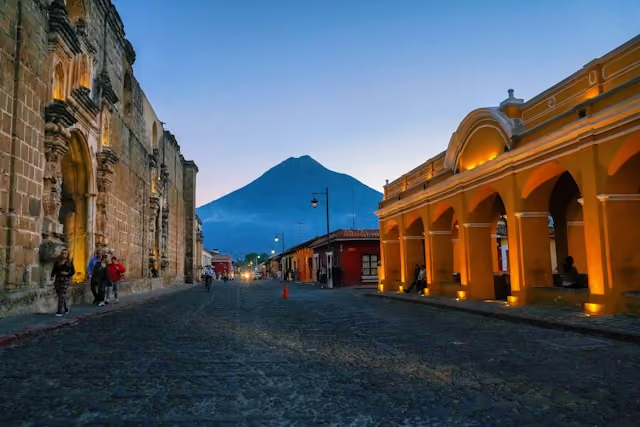
Questions!
Can you drink tap water in Antigua?
No. Tap water in Antigua is not safe to drink. Most hotels and restaurants provide bottled or filtered water. Always use sealed bottled water during your stay.
Is tap water safe at Lake Atitlán?
No. Tap water around Lake Atitlán is not safe to drink. Use bottled water throughout your stay, including in popular villages like Panajachel and San Marcos.
What health risks come from tap water in Guatemala?
Drinking untreated tap water in Guatemala can cause traveller's diarrhea, typhoid, cholera, and hepatitis A. Risks increase significantly in rural areas and during the rainy season.
We don't conduct independent water testing. We summarises and interpret publicly available official data. Conditions can change rapidly — always verify with local authorities before travelling.
Explore all popular destinations inGuatemala
Explore more countries in Central America
Comprehensive tap water safety information for Central American countries including Belize, Costa Rica, Panama, Guatemala, Honduras, El Salvador, and Nicaragua.



📚 Official Resources & Further Reading
World Health Organization – Guatemala Water Quality
CDC – Guatemala Travel Health Advisory
Guatemala Ministry of Health
U.S. Department of State – Guatemala Travel Advisory
Pan American Health Organization – Guatemala

.svg)
