


Can You Drink Tap Water in Costa Rica?
Tap water in Costa Rica is generally safe to drink in most urban areas and major tourist destinations, though quality varies by location.
Complete Drinking Water Safety Information for Costa Rica
Tap water in Costa Rica is considered safe to drink in most areas, making it one of the few Central American countries where tourists can generally consume tap water. The Instituto Costarricense de Acueductos y Alcantarillados (AyA) operates water treatment systems throughout much of the country and water quality meets international standards in major cities and tourist areas. In San José, Heredia, Alajuela, and other Central Valley cities, tap water is treated with chlorine and fluoride and is safe for consumption.
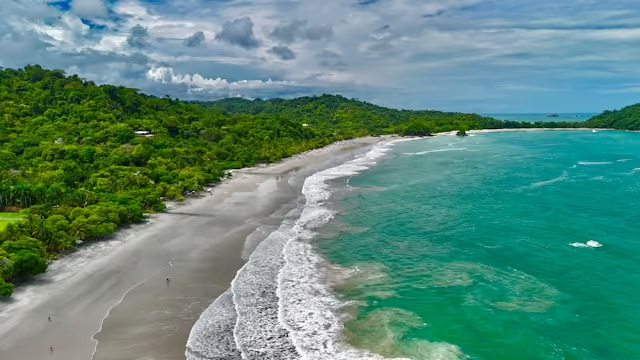
Most Costa Ricans in these areas drink tap water without concern. Popular tourist destinations including Manuel Antonio, Monteverde, La Fortuna (Arenal), Tamarindo, and Jacó generally have safe tap water, though quality can vary by specific property. Many hotels and restaurants use filtration systems as an extra precaution.
However, water safety is less reliable in remote areas, on the Caribbean coast, and in some rural beach towns. Areas like Puerto Viejo, Cahuita, and the Osa Peninsula may have less consistent water treatment. Some properties in these regions rely on well water or local systems that may not be adequately treated.
During heavy rains and flooding, water quality can temporarily decline even in normally safe areas. Travelers with sensitive stomachs may still prefer bottled water even in areas with treated tap water. If you're staying in eco-lodges, remote beaches, or rural areas, verify water safety with your accommodation.
Some properties have filtration systems while others recommend bottled water. Costa Rica's generally good water quality is a significant advantage over neighboring countries, but caution in remote areas is still advised.
Bottled Water information in Costa Rica

Bottled water is available everywhere including supermarkets, sodas, hotels, and convenience stores. Prices range from 500-1,000 colones (USD $1-2) per liter. While tap water is safe in most tourist areas, many visitors still prefer bottled water for peace of mind.
Is ice safe in Costa Rica?
Ice is generally safe in Costa Rica's urban areas and established tourist restaurants. Ice in San José and major tourist towns is typically made from treated water. However, in remote areas or small local sodas (restaurants), verify that ice is made from purified water if you have concerns.
Can you use a water filter in Costa Rica?
Water filters are optional in most of Costa Rica but popular among expatriates and long-term visitors who want extra assurance. In urban areas with treated water, filters mainly improve taste. In remote areas, a quality filter provides valuable backup safety.
Should you boil tap water in Costa Rica?
Boiling is not necessary in most of Costa Rica including San José and major tourist destinations where water is treated. However, in remote areas, rural beaches, or during floods, boiling water for one minute adds extra safety if you're unsure about local water quality.
Questions!
Can you drink tap water in San José?
Yes. San José has some of the safest tap water in Central America and it is generally safe to drink. The water is treated and monitored to high standards.
Is tap water safe in Manuel Antonio and Arenal?
Yes. Popular tourist destinations like Manuel Antonio and Arenal also have safe tap water. Costa Rica's treatment standards are consistent across most urban and tourist areas.
Is tap water safe on Costa Rica's Caribbean coast?
Water quality on the Caribbean coast, including areas like Puerto Viejo and Tortuguero, can be less consistent than the central valley. Bottled water is the safer choice in these regions and in remote eco-lodges.
We don't conduct independent water testing. We summarises and interpret publicly available official data. Conditions can change rapidly — always verify with local authorities before travelling.
Explore all popular destinations inCosta Rica
Explore more countries in Central America
Comprehensive tap water safety information for Central American countries including Belize, Costa Rica, Panama, Guatemala, Honduras, El Salvador, and Nicaragua.



📚 Official Resources & Further Reading
Costa Rica Ministry of Health – Water Quality
World Health Organization – Costa Rica
CDC – Costa Rica Travel Information
AyA – Costa Rica Water Authority
U.S. Department of State – Costa Rica Travel Information

.svg)
