

Can You Drink Tap Water in Panama?
Tap water in Panama is generally safe to drink in Panama City and some urban areas, but quality varies significantly by location.
Complete Drinking Water Safety Information for Panama
Tap water safety in Panama varies considerably depending on location. Panama City has modern water treatment facilities and tap water is generally considered safe to drink for locals and most visitors. The Instituto de Acueductos y Alcantarillados Nacionales (IDAAN) manages water treatment in urban areas and water meets basic safety standards in the capital.
Many residents and expatriates drink tap water in Panama City without issues, though some prefer filtration systems or bottled water. Hotels in the city typically provide tap water in bathrooms and filtered water in rooms. In other urban areas including Colón and David, tap water is treated but quality is less consistent than Panama City.
In popular tourist destinations, water safety varies significantly. Bocas del Toro, a major backpacker and diving destination on the Caribbean coast, has limited water infrastructure and tap water should be avoided. Many islands in the Bocas archipelago rely on rainwater collection or inadequate local systems.
Most hotels and hostels provide bottled or filtered water. The San Blas Islands (Guna Yala), known for pristine beaches and indigenous culture, have no modern water treatment and visitors must use bottled water exclusively. In Boquete and the highlands, water quality varies by property with some hotels having their own purification systems.
Along the Pacific coast including Playa Venao and Santa Catalina, water infrastructure is limited and bottled water is recommended. Rural areas and villages throughout Panama have minimal water treatment. Many communities rely on untreated rivers, springs, or wells.
Common waterborne risks include traveler's diarrhea and occasional outbreaks of other illnesses. If traveling outside Panama City, verify water safety with your accommodation and err on the side of caution.
Bottled Water information in Panama

Bottled water is affordable (USD $0.50-$1.50 per liter) and available throughout Panama at supermarkets, mini-supers, gas stations, and tourist areas. In Panama City, water is available everywhere. In Bocas del Toro and remote areas, prices may be slightly higher but availability remains good. Popular brands include Crystal and Cascada.
Is ice safe in Panama?
Ice safety varies by location. In Panama City hotels and established restaurants, ice is generally safe. In Bocas del Toro, San Blas, and other tourist areas with questionable water quality, avoid ice unless confirmed to be made from purified water.
Should you use a water filter in Panama?
Water filters are useful in Panama particularly outside Panama City. Many expatriates and long-term visitors use filtration systems. In areas like Bocas del Toro where water quality is unreliable, a portable filter provides valuable backup for travelers.
Should you boil tap water in Panama?
Boiling is not necessary in Panama City where water is treated. However, in Bocas del Toro, San Blas, rural areas, and locations with uncertain water quality, boiling water for at least one minute is recommended if bottled water is unavailable.
Questions!
Can you drink tap water in Panama City?
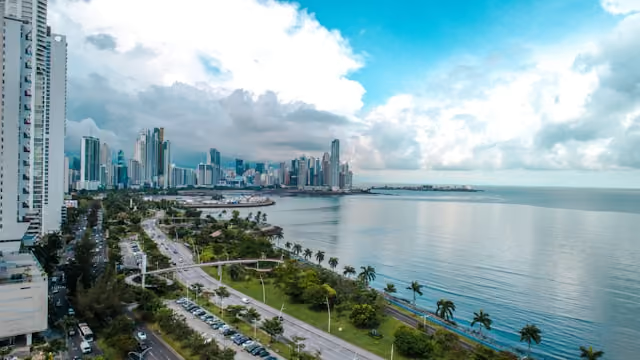
Yes. Panama City has some of the best tap water in Central America and it is generally safe to drink. The city's water treatment infrastructure is modern and well-maintained.
Can you drink tap water in Bocas del Toro?
No. Despite Panama City having safe water, Bocas del Toro has a much less reliable supply. Bottled water is strongly recommended throughout this archipelago.
Is tap water safe in San Blas?
No. The remote San Blas islands have extremely limited infrastructure. Fresh water is scarce and what is available is not safe to drink. Bring or buy sealed bottled water.
We don't conduct independent water testing. We summarises and interpret publicly available official data. Conditions can change rapidly — always verify with local authorities before travelling.
Explore all popular destinations inPanama
Explore more countries in Central America
Comprehensive tap water safety information for Central American countries including Belize, Costa Rica, Panama, Guatemala, Honduras, El Salvador, and Nicaragua.



📚 Official Resources & Further Reading
World Health Organization – Panama Health Profile
CDC – Panama Travel Health Information
Panama Ministry of Health
IDAAN – Panama Water Authority
U.S. Department of State – Panama Travel Advisory

.svg)
