

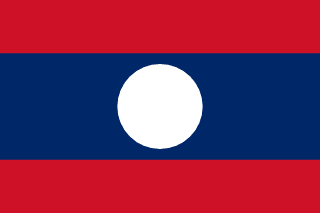
Can You Drink Tap Water in Laos?
Tap water in Laos is not safe to drink. Bottled or filtered water is essential for all travelers throughout the country.
Complete Drinking Water Safety Information for Laos
Tap water in Laos is not safe to drink anywhere in the country, including in the capital Vientiane. Water treatment infrastructure in Laos is limited even by Southeast Asian standards, and the distribution network — where it exists — is subject to contamination through aging pipes, intermittent pressure, and inadequate maintenance. In Vientiane, treated water is available in parts of the city but contamination during distribution is common, and the vast majority of residents use bottled water or boil water before consumption.
In Luang Prabang, the UNESCO World Heritage town that attracts a significant volume of international visitors, water infrastructure is more limited than the capital. Hotels and guesthouses universally provide bottled water, and restaurants catering to tourists use filtered or bottled water for cooking and drinks. In Vang Vieng, Pakse, and other tourist towns along the Mekong, the situation is similar — bottled water is the norm and tap water should never be consumed directly.
Outside urban areas, water infrastructure is minimal or non-existent. Large parts of rural Laos — including many villages in the mountainous north and the remote Bolaven Plateau — have no piped water at all. Communities rely on rivers, streams, wells, and rainwater collection. Travelers doing trekking, cycling tours, or homestays in rural communities must carry portable filtration equipment, as bottled water may not be available.
The Mekong River and its tributaries are the lifeblood of Laos but are heavily used for agriculture, fishing, and sanitation — making surface water unsafe without treatment. Waterborne diseases including typhoid, hepatitis A, dysentery, and intestinal parasites are documented risks for travelers who consume untreated water in Laos.
Bottled Water information in Laos

Bottled water is widely available in Vientiane, Luang Prabang, Vang Vieng, and most other towns on the tourist trail. Prices are low, typically LAK 3,000–8,000 (around USD $0.15–$0.40) per 1.5-litre bottle. The most commonly available brands are locally produced and generally reliable. International brands are less common but available in larger supermarkets in Vientiane.
In remote villages, northern trekking areas, and off-route destinations, bottled water may not be available at all. Travelers venturing off the main tourist circuit should carry sufficient purification options — filter, iodine tablets, or a UV purifier — as a safety net. Purchasing large refill bottles where available helps reduce the significant plastic waste problem in Laos.
Is ice safe in Laos?
Ice safety in Laos follows a similar pattern to neighbouring Cambodia and Vietnam. In tourist-oriented restaurants and bars in Luang Prabang, Vientiane, and Vang Vieng, ice is typically commercially produced from purified water and is considered reasonably safe. Commercial ice in Laos usually comes in large cylindrical blocks or smaller cubed pieces distinct from hand-chipped tap water ice.
In local markets, roadside food stalls, and smaller restaurants without tourist clientele, ice is frequently made from tap water and should be avoided. When travelling outside major tourist hubs — particularly in the northern highlands or southern provinces — assume ice is unsafe unless you can confirm it is commercially produced.
Can you use a water filter in Laos?
Water filters are strongly recommended for trekking and rural travel in Laos. Given the reliance on rivers, streams, and wells in the Lao interior, a filter capable of handling surface water — including sediment, bacteria, protozoa, and viruses — is ideal. Models like the MSR Guardian, Sawyer Squeeze with a virus filter add-on, or SteriPen UV purifier are well suited to Laos conditions.
In cities and tourist areas, bottled water is the practical choice. But for adventurous travelers exploring the Nam Ou river valley, the mountains of Phongsali, or the Bolaven Plateau by bicycle, a good filter is an essential piece of kit that can save both money and plastic waste over an extended trip.
Should you boil tap water in Laos?
Yes, boiling is necessary if tap or surface water is your only option. A full rolling boil for at least one minute kills pathogens including bacteria, viruses, and protozoa. This is particularly important on trekking routes, in rural homestays, and in areas where bottled water is unavailable.
In towns and tourist areas, bottled water is cheap and readily available and is more practical than boiling for most travelers. For those doing extended backcountry travel or multi-day treks in northern Laos, a portable water filter combined with iodine or chlorine tablets provides comprehensive backup protection.
Popular destinations inLaos
Questions!
Can you drink tap water in Vientiane?
No. Tap water in Vientiane is not safe to drink. The capital has some water treatment infrastructure but contamination through old pipes and distribution issues is common. All visitors should use bottled or filtered water.
Is tap water safe in Luang Prabang?
No. Luang Prabang's water infrastructure is limited. Bottled water is universally available at all tourist-oriented accommodation and restaurants. Use sealed bottled water for drinking and brushing teeth throughout your stay.
Is water safe to drink while trekking in rural Laos?
No. Stream, river, and well water in rural Laos must be treated before consumption. Carry a quality portable water filter and purification tablets as backup — bottled water is not reliably available in remote trekking areas.
Is the ice safe in Laos restaurants?
Commercially produced ice in tourist restaurants is generally safe. Ice in local stalls and markets may be made from tap water. When uncertain, request drinks without ice.
What diseases can you get from tap water in Laos?
Typhoid, hepatitis A, dysentery, traveler's diarrhea, and intestinal parasites are all documented risks from consuming untreated water in Laos. Drinking only bottled or properly filtered water significantly reduces your risk.
We don't conduct independent water testing. We summarises and interpret publicly available official data. Conditions can change rapidly — always verify with local authorities before travelling.
Explore all popular destinations inLaos
Explore more countries in Asia
Comprehensive tap water safety information for countries across Asia, including Southeast Asia, East Asia, South Asia, and Central Asia.








📚 Official Resources & Further Reading

.svg)
