

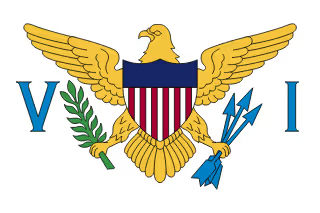
Can You Drink Tap Water in the US Virgin Islands?
Tap water in the US Virgin Islands is treated to EPA standards but most residents and visitors use bottled water due to desalination taste and aging building pipes.
Complete Drinking Water Safety Information for the US Virgin Islands
Tap water in the US Virgin Islands is regulated by the US Environmental Protection Agency (EPA) and is treated to meet US federal drinking water standards. The territory has no natural freshwater rivers and relies on seawater desalination and rainwater catchment for its supply, managed by the Virgin Islands Water and Power Authority (WAPA). While the water meets safety standards at source, aging distribution infrastructure and building storage tanks mean most residents and visitors choose bottled water in practice.
On St. Thomas — the most visited island and home to Charlotte Amalie, one of the Caribbean's busiest cruise ports — tap water is treated and safe by US standards. Hotels across St. Thomas, particularly in the Red Hook and Charlotte Amalie areas, provide bottled or filtered water for guests. The island's extensive cruise ship visitor infrastructure means bottled water is universally available.
On St. John — home to the Virgin Islands National Park which covers about two-thirds of the island — tap water in Cruz Bay and resort areas is treated to EPA standards. The island's natural beauty and clear waters are extraordinary but tap water infrastructure outside the main town is limited. Visitors hiking in the national park should carry bottled water.
St. Croix, the largest island, has more developed infrastructure than the northern islands. Christiansted and Frederiksted have treated water supplies, but as with the other islands, bottled water is the practical default for most visitors. Hurricane Maria in 2017 caused significant damage to USVI infrastructure, with water systems requiring substantial reconstruction since.
Bottled water is universally available throughout the USVI at competitive US prices. Ice throughout the islands at hotels and established restaurants is safe.
Bottled Water in the US Virgin Islands

Bottled water is universally available throughout the US Virgin Islands at supermarkets, hotels, and convenience stores. Prices reflect US market rates, making it affordable compared to other Caribbean islands. Most hotels provide complimentary bottled water for guests. Availability is reliable on all three main islands.
Is ice safe in the US Virgin Islands?
Ice is safe throughout the US Virgin Islands at hotels, restaurants, and bars. The water supply meets EPA standards and ice at all established venues is safe to consume. No precautions are needed with ice during a standard visit to any of the three main islands.
Can you use a water filter in the US Virgin Islands?
A filter is not necessary for safety in the US Virgin Islands. Some residents use under-sink filters to improve the taste of desalinated water, but this is a personal preference rather than a safety requirement. Bottled water is inexpensive and widely available throughout all three islands.
Should you boil tap water in the US Virgin Islands?
Boiling is not necessary in the US Virgin Islands. The water is treated to EPA standards and is safe without boiling. The preference for bottled water is driven by taste and aging building plumbing rather than safety concerns. Bottled water is widely available and inexpensive.
Popular destinations inUS Virgin Islands
Questions!
Is tap water safe in the US Virgin Islands?
Technically yes — the USVI is a US territory and water is regulated by the EPA to US federal standards. Most people use bottled water due to the desalination taste and aging building plumbing, but the water is safe from a health standpoint.
Is water safe on St. John in the national park?
Tap water in Cruz Bay meets EPA standards. Carry bottled water for hiking in the national park as there are no reliable water sources on the trails. The park's beaches are stunning but have no water infrastructure.
How did Hurricane Maria affect the USVI water supply?
Hurricane Maria in 2017 caused major damage to USVI infrastructure including water systems. Significant reconstruction has occurred since, but some older infrastructure remains. Bottled water is the practical default throughout the territory.
Is there a difference between water quality on St. Thomas, St. John, and St. Croix?
All three islands are regulated by the EPA to the same federal standards. St. Croix has slightly more developed infrastructure. In practice, bottled water is recommended on all three islands for visitors.
We don't conduct independent water testing. We summarises and interpret publicly available official data. Conditions can change rapidly — always verify with local authorities before travelling.
Explore all popular destinations inUS Virgin Islands
Explore more countries in Caribbean
Complete tap water safety guides for Caribbean islands including Jamaica, Bahamas, Dominican Republic, Barbados, Aruba, Trinidad and Tobago, and all major island destinations.


📚 Official Resources & Further Reading
World Health Organization – US Virgin Islands
CDC – US Virgin Islands Travel Health Advisory
U.S. Department of State – US Virgin Islands

.svg)
