

Can You Drink Tap Water in Colombia?
Tap water in Colombia is not safe to drink in most areas. Water treatment exists in major cities but contamination during distribution is common.
Complete Drinking Water Safety Information for Colombia
Tap water in Colombia is generally unsafe for drinking and should be avoided by tourists throughout the country including Bogotá, Medellín, Cartagena, and other cities. While water treatment facilities exist in urban areas, distribution infrastructure is compromised by aging pipes, illegal connections, and inadequate maintenance. Most Colombians do not drink tap water directly and use filtered water, boiled water, or bottled water exclusively. In Bogotá, despite being the capital, tap water quality is unreliable.
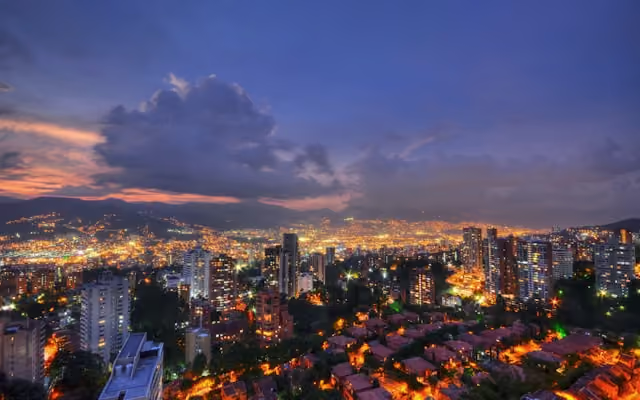
The city's water system faces challenges with contamination during distribution even though treatment plants operate. Many residents use filtration systems or purchase bottled water. Hotels in tourist areas like Zona Rosa and La Candelaria typically provide filtered or bottled water. In Medellín, water treatment has improved in recent years but tap water should still be avoided by visitors.
The city's EPM water company has invested in infrastructure, yet contamination remains a concern. In Cartagena and coastal Caribbean cities, water infrastructure is particularly poor and tap water is consistently unsafe. The tropical climate and inadequate sewage systems increase contamination risks. In Cali, Barranquilla, and other major cities, tap water should be avoided.
Tourist destinations including San Andrés island, Santa Marta, and Tayrona have limited water treatment. The Coffee Region (Eje Cafetero) and rural areas have minimal treatment facilities. Colombia experiences waterborne disease outbreaks including cholera, typhoid, hepatitis A, and traveler's diarrhea which affects a high percentage of visitors who consume contaminated water. Use bottled water for all drinking, brushing teeth, and washing produce. Most restaurants in tourist areas use filtered water for drinks and ice, but always verify in smaller establishments.
Bottled Water information in Colombia

Bottled water is very affordable (COP 1,500-3,000 or USD $0.40-$0.80 per liter) and available everywhere including Éxito and Carulla supermarkets, tiendas, gas stations, and street vendors. Popular brands include Brisa, Agua Manantial, and Cristal. Large bottles available for home delivery.
Is ice safe in Colombia?
Ice safety varies. Ice in upscale hotels and established restaurants in Bogotá, Medellín, and tourist areas may be made from filtered water and considered safe. Ice from street vendors, juice stands, and small local establishments is typically made from tap water and should be avoided.
Can you use a water filter in Colombia?
High-quality water filters are very common in Colombian homes. For travelers, portable filters designed for developing countries can provide backup safety, but bottled water should be your primary source.
Should you boil tap water in Colombia?
Yes. If bottled water is unavailable, boiling tap water for at least one minute is essential. Many Colombian households boil water or use multi-stage filtration systems. However, bottled water is widely available and more practical.
Popular destinations inColombia
View all.avif)
Questions!
Can you drink tap water in Bogotá?
Yes. Bogotá's tap water meets international safety standards and is generally considered safe to drink. It is one of the few South American capitals where tap water is reliably safe.
Can you drink tap water in Medellín or Cartagena?
Medellín also has good water quality and tap water is generally safe. Cartagena's water is treated but quality is less consistent — bottled water is the safer choice on the coast.
Is tap water safe in rural Colombia?
No. Water quality in rural areas and small towns across Colombia is much less reliable than in major cities. Bottled water is essential when travelling outside urban centres.
We don't conduct independent water testing. We summarises and interpret publicly available official data. Conditions can change rapidly — always verify with local authorities before travelling.
Explore all popular destinations inColombia
Explore more countries in South America
Water safety guides for South American countries covering the entire continent from Colombia to Argentina.


📚 Official Resources & Further Reading
World Health Organization – Colombia
CDC – Colombia Travel Health Advisory
Colombia Ministry of Health
Pan American Health Organization – Colombia
U.S. Department of State – Colombia Travel Advisory

.svg)
