

Can You Drink Tap Water in Canada?
Tap water in Canada is safe to drink and consistently ranks among the best water quality in the world.
Complete Drinking Water Safety Information for Canada
Canada has excellent drinking water quality throughout the country. Tap water is safe to drink in all major cities including Toronto, Vancouver, Montreal, Calgary, Ottawa, and Edmonton. Canada's water is regulated by Health Canada under the Guidelines for Canadian Drinking Water Quality, which sets strict standards that meet or exceed World Health Organization recommendations. Water treatment facilities use advanced purification methods including filtration, chlorination, and UV treatment. Regular testing ensures water is free from harmful bacteria, viruses, and chemical contaminants.
Most Canadians drink tap water daily without concern. The country benefits from abundant freshwater resources including the Great Lakes, rivers, and vast groundwater systems. Water quality is particularly excellent in cities drawing from protected watersheds like Vancouver, which sources water from mountain reservoirs. Some remote northern communities and First Nations reserves face water quality challenges due to inadequate infrastructure and lack of proper treatment facilities. Boil water advisories are occasionally issued in these areas.
In older buildings, particularly those constructed before the 1950s, lead pipes may be present and homeowners are advised to test their water or run taps for 30 seconds before drinking. Despite these localized issues, Canada's tap water is considered world-class. Tourists can confidently drink tap water anywhere in Canada's major cities and towns. Water is provided free in restaurants and is safe from any tap in hotels, airports, and public buildings.
Bottled Water information in Canada

Bottled water is available at all grocery stores, gas stations, convenience stores, and vending machines. Prices range from CAD $1-3 for single bottles. However, tap water is free and excellent quality, making bottled water unnecessary except for convenience.
Is ice safe in Canada?
Ice is completely safe throughout Canada. All ice in restaurants, cafes, hotels, and convenience stores is made from treated municipal water that meets Health Canada's strict safety standards.
Can you use a water filter in Canada?
Water filters are optional in Canada and generally used to improve taste or remove chlorine smell. Some residents in older homes use filters as a precaution against potential lead from old pipes. Filters are not necessary for safety in most Canadian homes.
Should you boil tap water in Canada?
Boiling is not necessary in Canada except in rare situations where local authorities issue a boil water advisory. These advisories are uncommon in major cities and primarily affect remote communities. Tap water is safe to drink directly.
Popular destinations inCanada
Questions!
Can you drink tap water in Toronto?
Yes. Toronto's tap water is safe to drink and is sourced from Lake Ontario, treated to very high standards by the city's water treatment plants. It is regularly tested and meets all Canadian Drinking Water Guidelines.
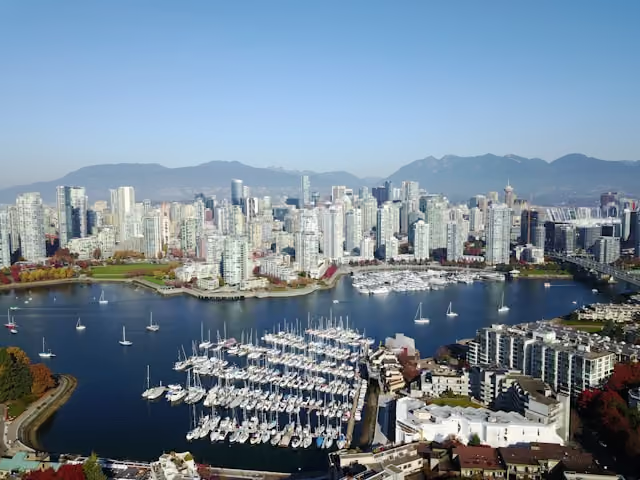
Can you drink tap water in Vancouver?
Yes. Vancouver's tap water is excellent quality, drawn from the Capilano, Seymour, and Coquitlam reservoirs in the Coast Mountains. It requires minimal treatment due to its natural purity and is considered among the best tap water in Canada.
Is tap water safe across Canada including remote areas?
In cities and towns yes, but not universally. A significant number of First Nations communities across Canada have been under long-term drinking water advisories due to infrastructure challenges. Outside of these communities, tap water in Canadian cities and towns is safe to drink.
We don't conduct independent water testing. We summarises and interpret publicly available official data. Conditions can change rapidly — always verify with local authorities before travelling.
Explore all popular destinations inCanada
Explore more countries in North America
Tap water safety information for North American countries including the United States, Canada, Mexico

📚 Official Resources & Further Reading
Health Canada – Water Quality Guidelines
Environment and Climate Change Canada – Freshwater Quality
Canadian Water and Wastewater Association
Government of Canada – Drinking Water Advisories

.svg)
